

A male leopard found critically ill near a residential area at Sholayar dam in the Anamalai Tiger Reserve died on Thursday despite treatment, prompting forest officials to order a postmortem and warn estate residents about increased wildlife movement in the region.
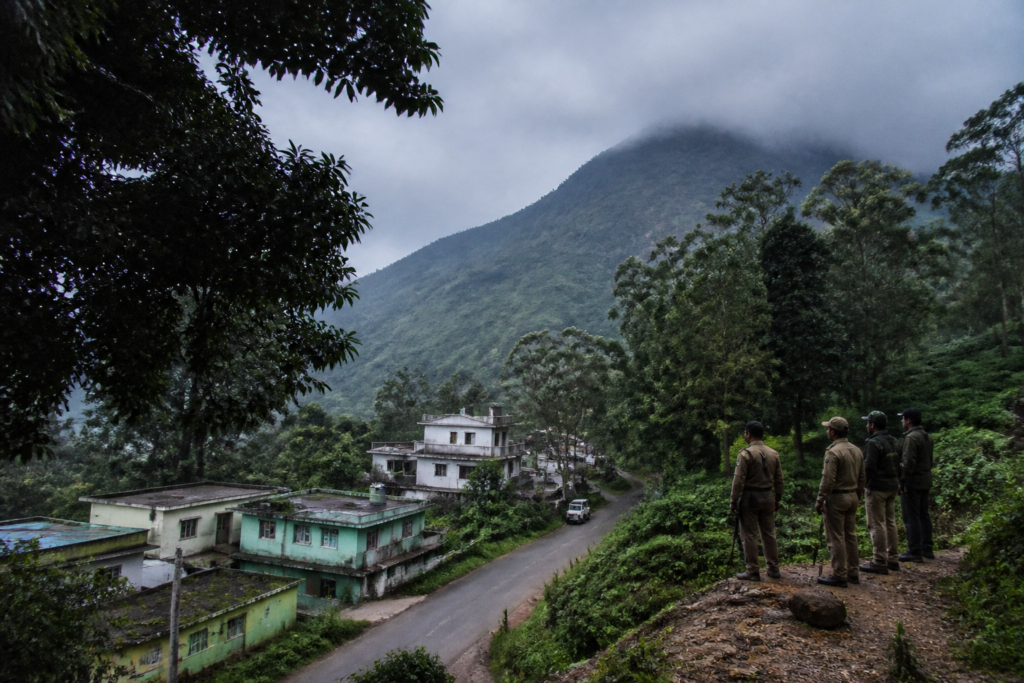
The leopard was spotted in the 40 Colony area near Valparai, close to the Tamil Nadu-Kerala border, during a routine patrol by Forest Department personnel. The location falls within the Manambolly range of the Pollachi forest division in the Anamalai Tiger Reserve.
After the animal was found, forest officials cordoned off the area to restrict public access. Frontline personnel continued to monitor the leopard while veterinary doctors from the Pollachi forest division examined it. The animal was unable to stand, and initial medical treatment was administered at the site.
The leopard died on Thursday evening after failing to respond to the treatment, according to the Forest Department. Giridharan, the Manambolly forest range officer, said a postmortem would be conducted to establish the exact cause of death.
The examination will be carried out by a team of veterinary doctors in the presence of a constituted committee, following the Standard Operating Procedures of the National Tiger Conservation Commission, the officer said. The report is expected to determine whether the leopard died from illness, injury or another cause, but no cause has been established so far.
The incident occurred in a landscape where residential settlements and estate areas exist within or near a reserve known for the movement of wild animals. Forest officials said the movement of wild elephants, bears, tigers and leopards is currently high in the area, underlining the need for residents to take precautions around their homes and workplaces.
The Forest Department has advised estate residents to remain alert, avoid stepping outside at night and ensure that children are kept safe. The warning is particularly relevant to settlements such as 40 Colony, where daily movement takes place close to forest habitat and wildlife corridors.
The department’s immediate response involved restricting access, monitoring the animal and providing veterinary care. The next formal step is the postmortem, which will be conducted under the prescribed committee-supervised procedure. Until its findings are available, the circumstances that led to the leopard’s illness and death remain undetermined.


