

The urban livelihood mission faces a funding shortage after Karnataka and four other states sought urgent central assistance for a programme that has benefited more than one crore women over the past decade, according to a report by Prajavani.
Karnataka, Tamil Nadu, Maharashtra, Madhya Pradesh and Tripura have separately written to Prime Minister Narendra Modi and the Union Ministry of Housing and Urban Affairs, seeking the release of funds for the Deendayal Antyodaya Yojana–National Urban Livelihoods Mission, or DAY-NULM. The states have raised concerns that the stoppage of grants is disrupting institutional credit access and field-level implementation.
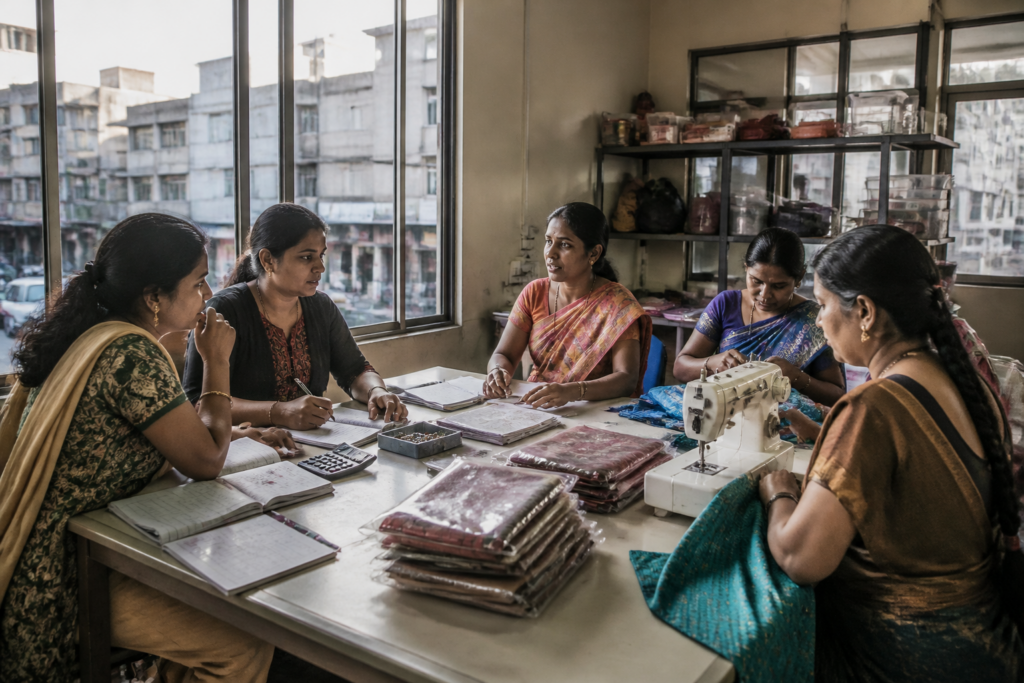
The programme has supported 10.02 lakh self-help groups covering around one crore women in urban areas. Under the scheme, each group received a revolving fund of ₹10,000, along with training, interest subsidies on bank loans and assistance to establish small enterprises.
DAY-NULM was implemented from 2014 until October 2024. The Housing and Urban Affairs Ministry subsequently introduced the Deendayal Jan Aajeevika Yojana–Shehri as a pilot programme until December 2025. The pilot was launched in 25 cities across 13 states with the stated intention of paving the way for a new nationwide programme.
According to the report, the Union Finance Ministry had given in-principle approval to expand the pilot to all states and Union Territories. The Housing and Urban Affairs Ministry then asked states and Union Territories to prepare for implementation and develop action plans. However, the ministry has not announced the proposed new programme, even as states continued forming self-help groups while expecting central support.
Karnataka has specifically sought clarification on whether the ₹4.48 crore released for the Bengaluru pilot can be used to pay staff salaries. In a letter dated September 6, the state said no funds had been available for staff salaries since July 2025 and that the shortage was affecting implementation at the field level. It asked the ministry to provide guidance on using the pilot allocation for salary payments.
The funding requests reported from the other states include ₹350 crore from Tamil Nadu, ₹81 crore from Maharashtra, ₹101 crore from Madhya Pradesh and ₹6.5 crore from Tripura. The report does not specify a separate total funding demand from Karnataka beyond its request for clarification on the Bengaluru pilot allocation.
The dispute exposes the administrative dependence of urban livelihood institutions on continuity between central schemes. Self-help groups may continue to exist at the community level, but their access to revolving funds, training, credit-linked support and field staff depends on the grant structure and implementation arrangements notified by the Centre.
The immediate issue before the Housing and Urban Affairs Ministry is whether existing pilot funds can be repurposed for salaries and how pending support for states will be handled. The states’ letters also seek clarity on the future of the proposed nationwide urban livelihoods programme.


