

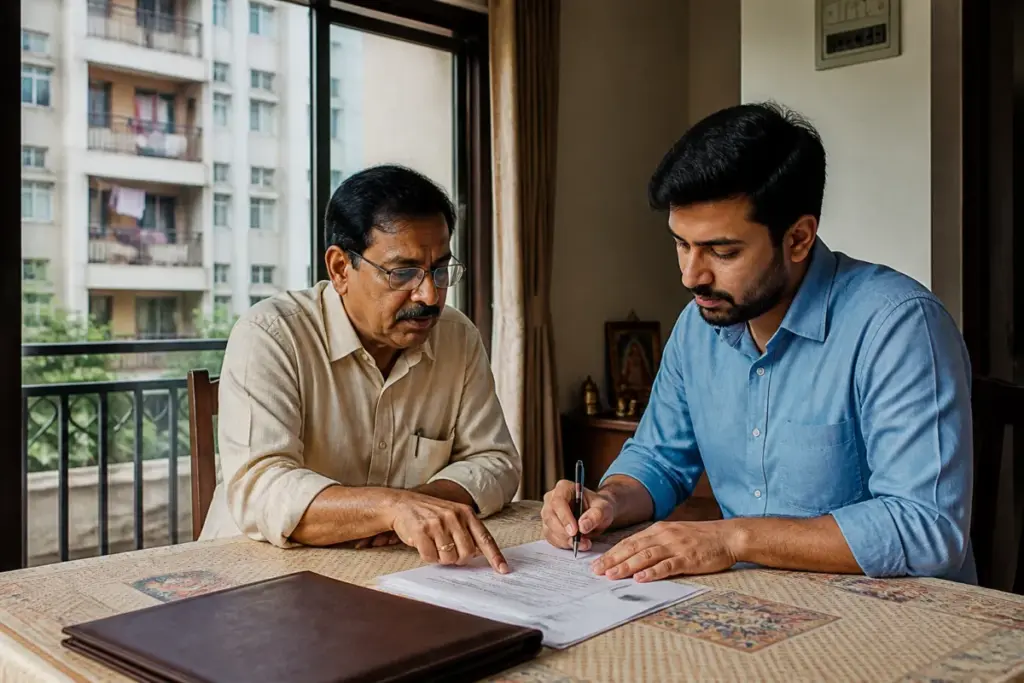
Uttar Pradesh is considering a flat stamp duty of Rs 1,000 for rent agreements involving annual rent of up to Rs 2 lakh, a move aimed at lowering the cost of formalising tenancies and improving legal protection for tenants and landlords.
Ravindra Jaiswal, the state’s Minister of State for Stamp and Registration Fees, announced the proposal at a press conference, according to a report by The Times of India. The proposed change would revise the way stamp duty and registration charges are applied to residential rental agreements in the state.
Under the current practice, residential rent agreements for 11 months do not require compulsory registration under Indian law. This has contributed to the widespread use of 11-month agreements. However, verbal arrangements and unregistered written agreements can make it difficult for either party to prove the terms of a tenancy in a dispute.
The existing fee structure is another factor discouraging registration. According to Malav Virani, a partner at MDP Legal, stamp duty and registration charges are calculated as a proportion of rent and can amount to roughly 4%, based on four times the property’s circle rate. This formula can create a sizeable financial burden even where the rent agreed between the parties is relatively modest.
As a result, tenants and landlords may choose informal arrangements or prepare agreements without registering them. Such documents can face limitations as evidence unless a court permits their use. The proposed flat charge is intended to reduce that barrier and encourage more rental arrangements to enter the formal system.
The changes are expected to complement the Uttar Pradesh Urban Premises Tenancy Regulation Act, 2021. Virani said the government’s primary concern was the low level of registration of rent agreements across the state and that reducing the cost of documentation could make the tenancy law easier to implement.
For tenants, a registered agreement would provide formal evidence of the tenure, rent and other conditions agreed with the landlord. Virani said such documentation could strengthen a tenant’s legal position if a landlord attempted an unlawful eviction, disputed the agreed rent or denied that a tenancy relationship existed.
Formal documentation could also protect landlords. A registered agreement would record the duration of the tenancy, payment obligations and other conditions, providing evidence if a tenant failed to pay rent, refused to vacate after the agreement ended or breached the agreed terms.
The proposal therefore seeks to address a practical gap in the rental housing system: legal protections may exist on paper, but their use becomes more difficult when the underlying tenancy is informal or poorly documented. Lowering the upfront cost could make registration more accessible, although the final structure of the revised charges and the implementation process have yet to be set out in the material available.
The state government’s next step is to finalise the proposed changes to stamp duty and registration charges and align them with the operation of the 2021 tenancy law.


