

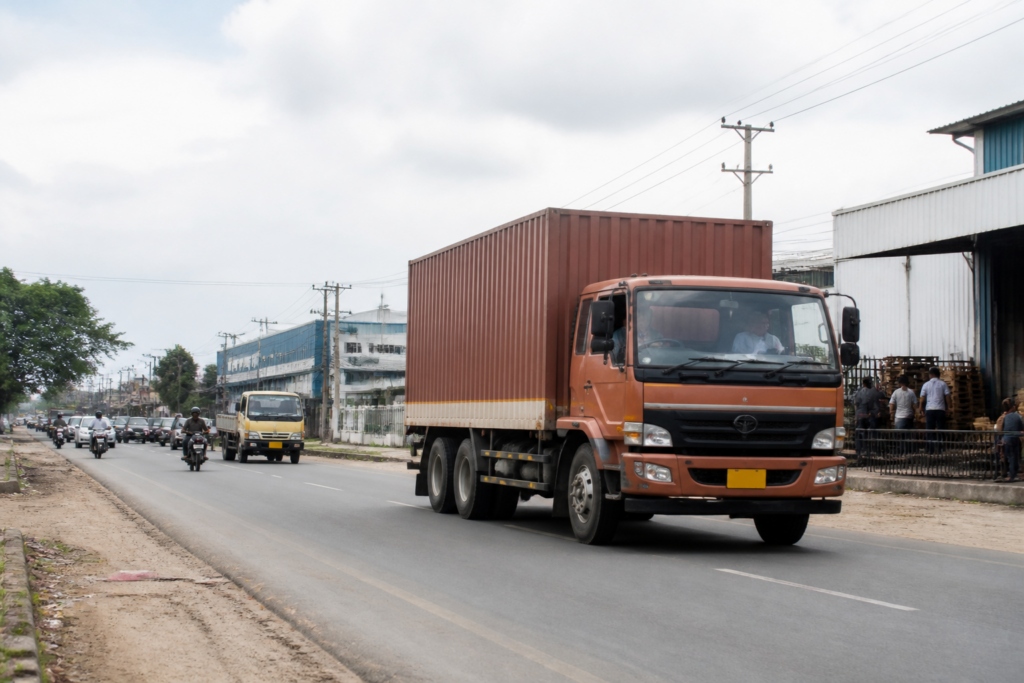
GST vehicle checks in Tamil Nadu will now be based on specific intelligence rather than routine roving inspections, a change welcomed by the Coimbatore District Small Industries Association (Codissia) as a measure that could reduce disruptions for micro, small and medium enterprises.
The Tamil Nadu commercial taxes department issued a government order on October 14 to discontinue the existing system of roving squads and move towards intelligence-based intercepts of vehicles carrying goods. Under the revised procedure, a goods vehicle can be stopped only when there is specific intelligence indicating the need for an interception.
The interception must also receive prior authorisation from an officer of at least the rank of joint commissioner. The reasons for stopping the vehicle must be recorded in writing, according to the details reported by the Times of India.
Codissia said the revised system would improve ease of doing business and reduce unnecessary difficulties faced by industrial units. The association expressed gratitude to the Tamil Nadu government for implementing decisions taken at the 57th GST Council meeting.
The change affects a routine point in the supply chain for Coimbatore’s industrial economy, where manufacturers depend on the timely movement of raw materials and finished goods. Codissia said frequent vehicle checks could interrupt production schedules and delay deliveries, creating operational difficulties for MSMEs.
The association said the intelligence-based procedure was expected to facilitate smoother transportation and minimise business interruptions. By requiring prior authorisation and written reasons for interception, the new process also establishes a more defined administrative basis for stopping goods vehicles.
The revised approach places enforcement responsibility on specific intelligence rather than general or random checks. For businesses transporting goods, the immediate operational change is that vehicles should not be intercepted under the new procedure without the required authorisation and recorded reasons.
The government order follows the GST Council’s decision-making process and is now being implemented by the state commercial taxes department. The department’s revised procedure will govern how goods vehicles are intercepted during movement across Tamil Nadu.


