

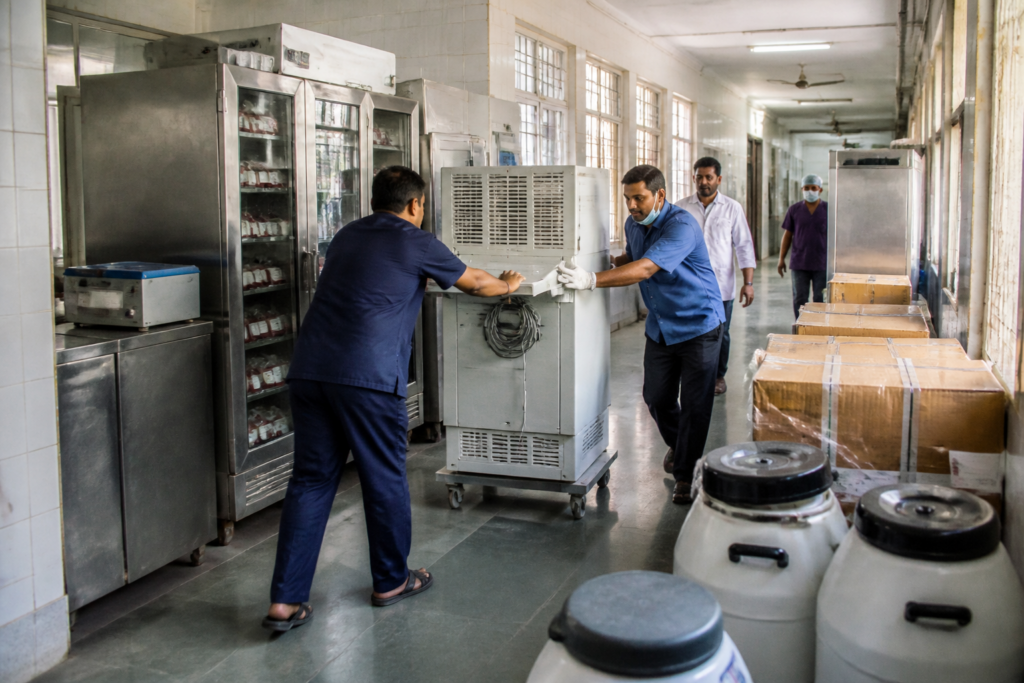
Odisha Youth Congress has alleged corruption and deliberate delays in Odisha State Medical Corporation Limited (OSMCL) tendering, raising concerns over the availability of critical medical equipment and the quality of supplies to government medical colleges. OSMCL managing director Smita Pani denied wrongdoing and said the corporation follows all rules, regulations and guidelines in its tendering work.
Odisha Youth Congress president Ranjit Patra alleged that two OSMCL officials had delayed government procedures and tenders by repeatedly citing incompatibility in technical specifications. According to Patra, specifications were altered several times, allegedly to push participating companies towards informal negotiations, before contracts were awarded to firms that had an “understanding” with the officials.
These claims have not been independently established in the report. OSMCL’s response, as cited by Times of India, was that its tendering activities comply with the applicable rules and guidelines.
The allegations relate to procurement managed by OSMCL, which functions under Odisha’s health and family welfare department. The Youth Congress said its work with blood banks across the state, including support for blood donation camps, had revealed shortages of equipment needed for blood storage and processing.
The equipment cited by the organisation includes storage refrigerators, minus 80°C and minus 40°C freezers, centrifuges and other infrastructure. Patra claimed OSMCL had begun tendering for some of these requirements in 2023, but that the processes had not been completed because of the alleged personal interests of the two officials.
The organisation also alleged irregularities in a tender for furniture and accessories supplied to government medical colleges. It claimed some of the furniture was substandard, had begun rusting and was already in poor condition at institutions including Puri Medical College. The report does not provide an independent technical assessment of the furniture or details of the procurement contract.
Patra further alleged that the officials were delaying compliance with High Court directions connected with schemes and equipment procurement. The Youth Congress said such delays were affecting essential healthcare services, although the report does not specify the court orders, the deadlines involved or the number of facilities affected.
The dispute places public procurement at the centre of a wider operational issue for government hospitals: the link between tender timelines, equipment availability and the functioning of clinical services. In this case, the allegations cover both delayed procurement and the quality of goods supplied, while the agency has rejected the suggestion that its procedures are irregular.
The Youth Congress has demanded the early completion of pending tenders, a detailed investigation into the allegations, scrutiny of the officials’ assets and action within one month. It has also warned that it would stage protests outside the health minister’s residence if action is not taken. The report does not state whether the health department has ordered an inquiry or whether any disciplinary proceedings have begun.


