

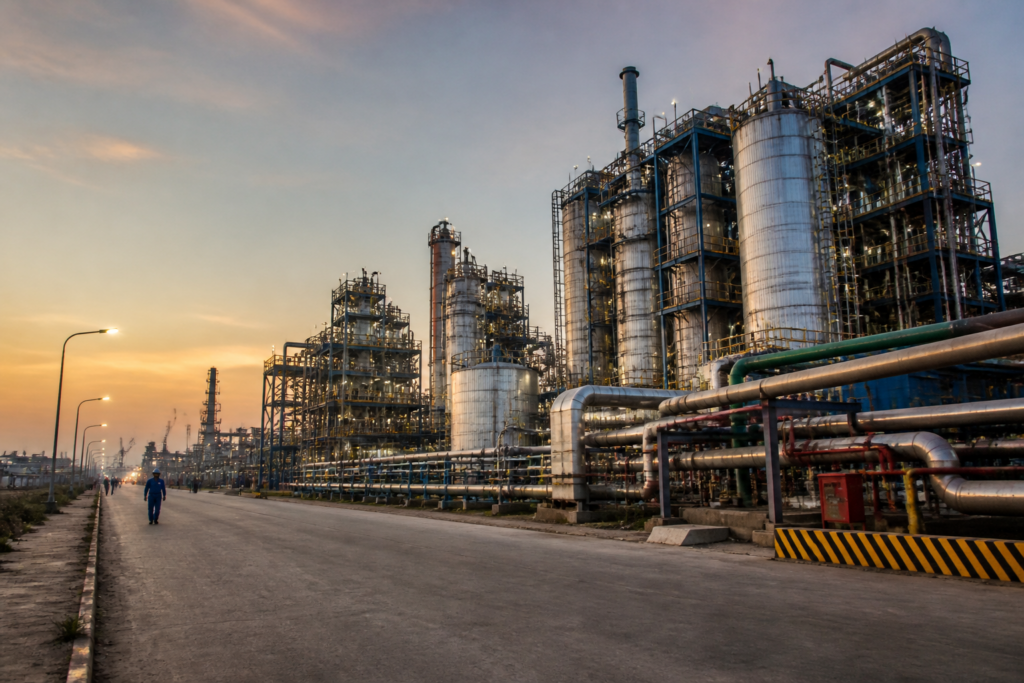
Haldia Petrochemicals Limited has commissioned a Rs 6,500-crore phenolics plant at Haldia, positioning the facility as a new base for specialty chemicals manufacturing and downstream industrial growth across Bengal and eastern India.
The integrated plant, developed through HPL’s wholly owned subsidiary AdPerMa, has an annual production capacity of 3.45 lakh tonnes of phenol and 2.15 lakh tonnes of acetone. HPL expects the facility to help generate annual revenue of more than Rs 5,000 crore from next year.
The project was inaugurated in the presence of Chief Minister Suvendu Adhikari, HPL chairman Dr Purnendu Chatterjee, senior bureaucrats and industry representatives. HPL managing director and chief executive officer Navanit Narayan said the facility marked a new phase in Bengal’s industrial development and was intended to support a wider phenolics and acetone manufacturing chain.
“Our ambition goes just beyond building the phenol and acetone plant. Our vision is to create a thriving phenolics and acetone chain, an ecosystem in the state of Bengal and eastern India,” Mr Narayan said.
Phenol and acetone are used as raw materials by industries making pharmaceuticals, laminates, adhesives, agrochemicals, coatings, resins and other advanced materials. HPL said domestic production from the facility could strengthen local manufacturing and reduce reliance on imports, while also encouraging new investments in industries that use these inputs.
The company is seeking to attract entrepreneurs, technology providers and manufacturers to Haldia and other parts of Bengal. The proposed downstream investments could create opportunities for micro, small and medium enterprises and strengthen industrial supply chains. However, the actual scale of employment generation will depend on the number and size of industries established around the new facility.
HPL has presented the project as an extension of the industrial ecosystem created after the commissioning of its naphtha cracker. According to Mr Narayan, the number of plastic units in West Bengal rose from 42 in 2000 to more than 1,400, while employment increased from 12,000 to 6.5 lakh over the same period. The company now wants to replicate that downstream expansion in specialty chemicals.
“Haldia has the potential to emerge as one of India’s leading chemical manufacturing hubs,” Mr Narayan said, citing the town’s port connectivity, industrial infrastructure and skilled workforce. Haldia’s role in the state’s industrial network will therefore depend not only on production at the new facility, but also on whether supporting manufacturers and service providers locate nearby.
The plant was built using process technology from Lummus Technology. Lummus Digital and TCG Digital contributed to digitalisation, while Thyssenkrupp served as the engineering, procurement and construction management contractor.
HPL said the project represents a shift towards higher-value manufacturing and builds on its 25-year industrial legacy. “Twenty-five years ago, we laid the foundation of a petrochemical ecosystem. Today, we lay the foundation of a new specialty ecosystem,” Mr Narayan said, calling for cooperation with the state government to develop a broader network of industries and employment opportunities around the investment.


