

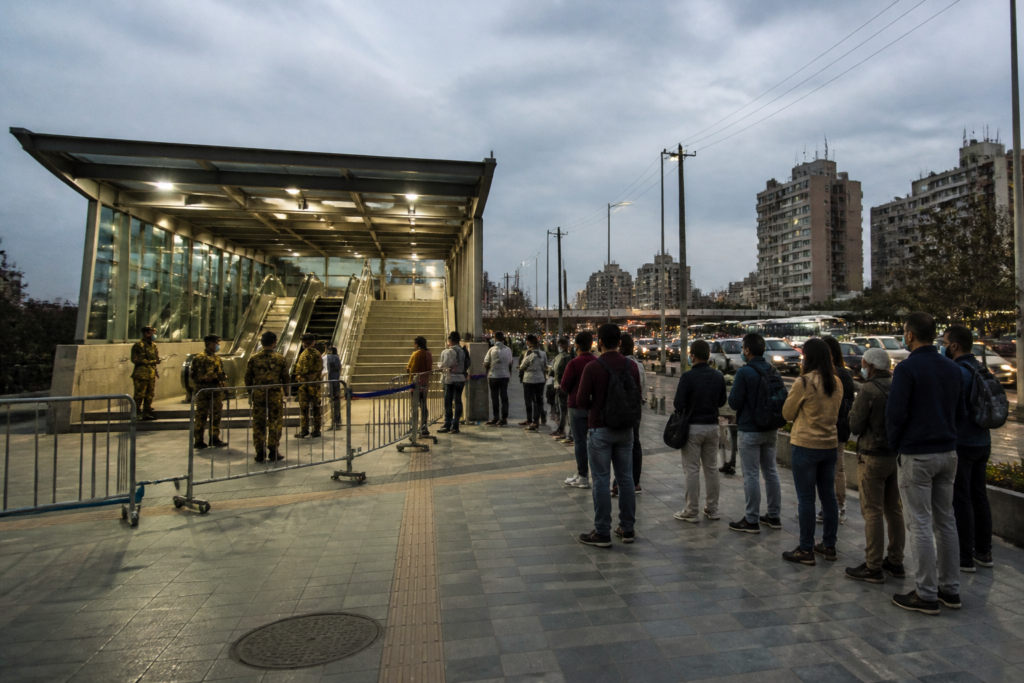
The Delhi Metro Rail Corporation (DMRC) has tendered an unconditional apology before the Supreme Court while stating that metro train services were not curtailed during protests in the national capital on 10 October, although entry and exit restrictions were imposed at 45 stations.
The clarification was submitted in an affidavit filed in response to a contempt petition. According to the affidavit filed on behalf of DMRC chairperson D. Thara, no train was cancelled on any route on the day of the protest against the Chief Election Commissioner. The restrictions were limited to the movement of passengers through selected stations and were implemented after directions from law-enforcement agencies.
DMRC said more than 85 per cent of its network, comprising 258 stations, remained fully operational for passengers. Of the network’s 303 stations, entry and exit restrictions were imposed at 45, representing about 15 per cent of the total. The corporation said the measures were based on security assessments and directions issued by law-enforcement agencies.
The affidavit also stated that 271 trains operated on 10 October and completed 4,157 trips, which DMRC described as the normal level of service. Restrictions had initially been planned for 57 stations, but the number was reduced to 45 after the police reassessed security requirements following the Supreme Court’s intervention.
Despite the continuation of train operations, passenger numbers fell sharply. DMRC reported that around 32 lakh passengers travelled on the network on 10 October, compared with approximately 58 lakh passengers usually recorded on the second Saturday of a month. The corporation said the protest could have led a large number of people to avoid travelling.
DMRC further informed the court that the restrictions at the 45 stations were withdrawn from 10pm on 10 October. The affidavit was filed after the Supreme Court directed the corporation to submit a compliance report on the operation of metro services and rail connectivity to the national capital.
The court had earlier directed the Centre to ensure that there was no complete stoppage of metro operations or trains entering Delhi in view of the protest. The direction followed a petition challenging the closure of several metro stations and the cancellation of trains arriving in the national capital.
A bench headed by Chief Justice Surya Kant had directed the DMRC and other parties to file compliance affidavits. In its response, DMRC said the petitioners had provided incorrect information by claiming that essential public transport had been completely shut down. It also maintained that the directions issued on 9 October had been taken without the corporation being present before the court.
The affidavit places the operational dispute before the court in more precise terms: while train movement continued across the network, passenger access was restricted at a limited number of stations. The Supreme Court will consider the compliance material submitted by DMRC as part of the proceedings.


