

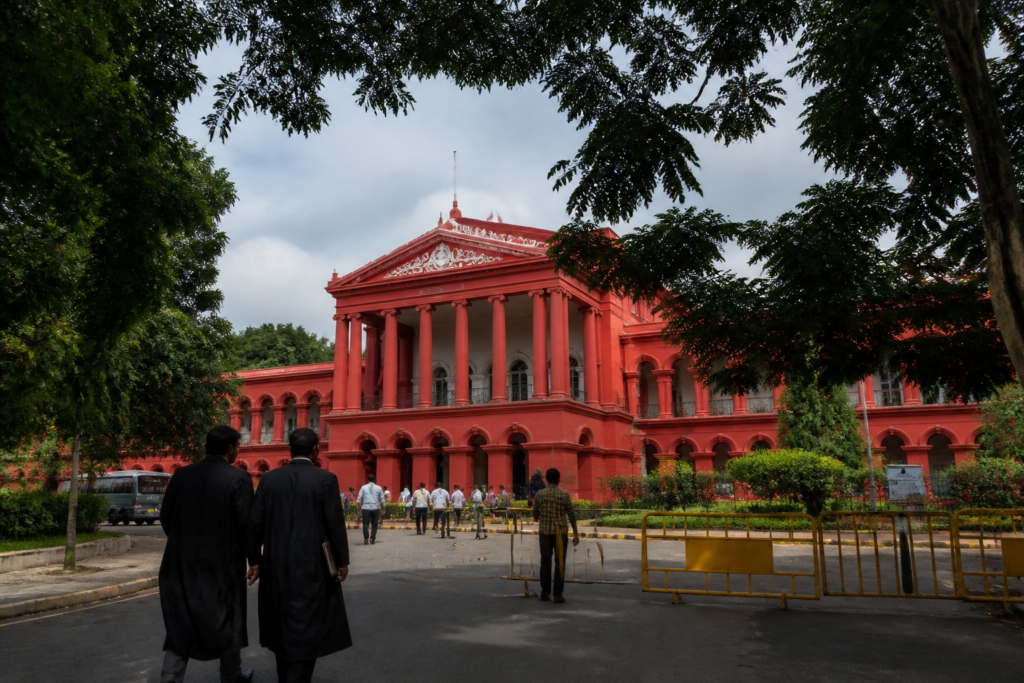
The Karnataka High Court has directed the Karnataka government to form district-level committees within three months to address illegal immigration and submit compliance reports to the court registry.
Justice M. Nagaprasanna, sitting as a single-judge bench, issued the direction while quashing two first information reports registered against T. Nagendrappa, who had informed Bengaluru police about Bangladeshi nationals allegedly staying illegally in the city.
The court directed the state to constitute the committees within three months of receiving a copy of the order. The committees will be responsible for dealing with illegal immigration at the district level, according to the report. The state government must also submit a compliance report to the High Court registry within the same period.
The case arose from information provided by Nagendrappa to the Bellandur police on July 22, 2026. He reported that six Bangladeshi nationals were staying near the DS Max apartment complex without passports or visas. The police subsequently took the individuals to the Foreigners Regional Registration Office, or FRRO.
About 15 minutes later, a Bangladeshi woman filed a complaint against Nagendrappa alleging assault, following which the police registered a case. A separate complaint was also registered at the Varthur police station. The High Court has now quashed both FIRs against Nagendrappa.
The order places responsibility on the state government to create a formal district-level administrative mechanism for handling cases involving illegal immigration. The direction is significant because it moves the issue beyond individual police complaints and requires a coordinated structure at the district level. The order, as reported, does not provide details of the proposed committees’ membership, powers, reporting structure or operating procedures.
The case also illustrates how immigration-related complaints can intersect with everyday urban administration in Bengaluru, particularly in neighbourhoods with large apartment developments and a mobile workforce. In this instance, the dispute involved an apartment complex, police stations, the FRRO and competing complaints filed within a short period.
The High Court’s direction requires the state government to act across districts rather than limit the response to Bengaluru. The compliance requirement also gives the court a mechanism to review whether the committees have been formed within the specified timeframe.
The court’s order follows the quashing of the two FIRs against Nagendrappa. Further details about the proposed district committees, including the departments that will participate and the process they will follow, were not available in the supplied report. The next formal milestone is the submission of the state government’s compliance report to the High Court registry within three months of receiving the order.


