

BJP Telangana president N. Ramchander Rao has alleged large-scale corruption in the use of the 22-A prohibited land list, claiming that lakhs of acres, including agricultural land, have been placed under restrictions and that affected landowners are struggling to establish or protect their ownership rights.
Addressing the media on Thursday, Rao said people who had held land for 20 to 30 years were suddenly finding their properties included under Section 22-A of the Registration Act. He alleged that the process for removing land from the prohibited list had created opportunities for bribery, and linked the issue to recent Anti-Corruption Bureau arrests of revenue officials allegedly demanding bribes.
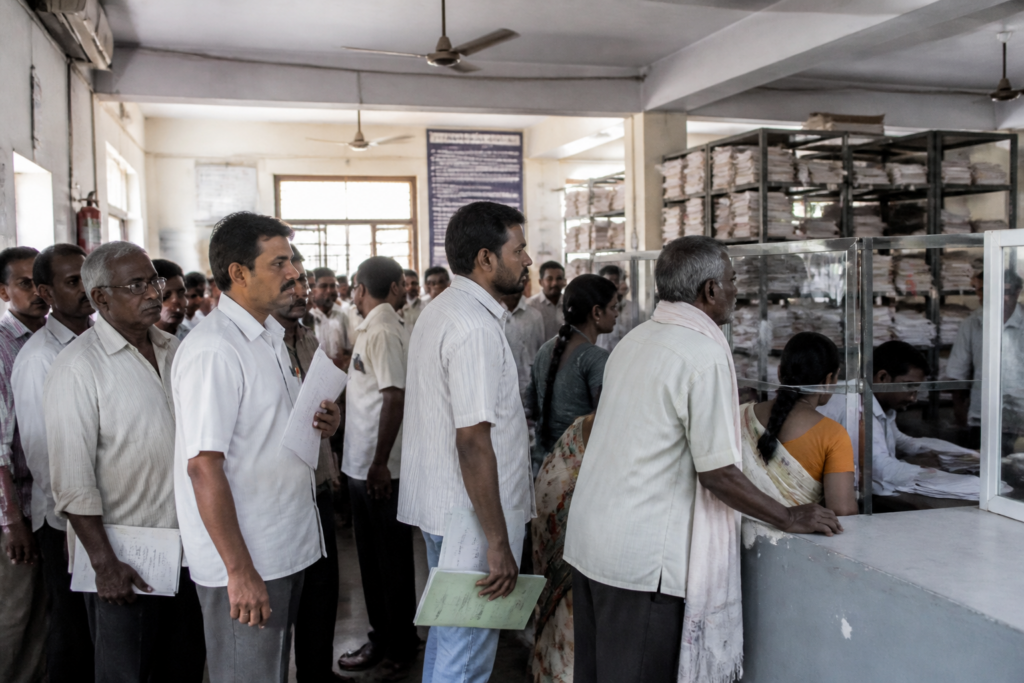
The 22-A restrictions have become a matter of concern for landowners because inclusion in the list can prevent or complicate registration-related transactions. According to Rao, affected people were making repeated visits to collector offices to seek clarification and relief. The report did not include a response from the state government or revenue authorities to the allegations.
Rao cited the case of farmers in Bomraspet of Shamirpet mandal, where about 1,500 acres were reportedly included in the prohibited list. He also claimed that similar problems were being reported in Banjara Hills and Jubilee Hills. In these areas, he alleged, the presence of even one government plot within a survey number could result in the entire survey number being restricted.
The BJP leader alleged that the process was causing losses for poor and middle-class landowners while benefiting influential individuals and builders. He demanded greater transparency in the addition and removal of properties from the 22-A list and called for relief for affected landowners. He also said the Congress government should answer for the situation.
The controversy places the focus on how land records, prohibited-property lists and revenue-office decisions affect citizens who depend on clear ownership records for sale, inheritance, development or other property transactions. Rao’s allegations also connect the issue to the wider functioning of local revenue administration, where delays or errors in land records can force citizens to seek repeated administrative intervention.
Rao separately criticised the Telangana government over irrigation water availability and electricity supply to farmers, alleging that borewell-dependent farmers were receiving only two to three hours of quality power and that crop losses and drought-like conditions were resulting. He also claimed that power cuts were affecting towns. These claims were part of a wider criticism of the state government and were not accompanied by a response from the authorities in the report.
Rao’s immediate demand on the land-list issue was transparency in adding properties to, and removing them from, the 22-A register. The next step remains the response of the state government and revenue authorities to the alleged inclusion of land parcels, the reported 1,500-acre restriction in Bomraspet and the allegations concerning bribery and administrative relief.


