

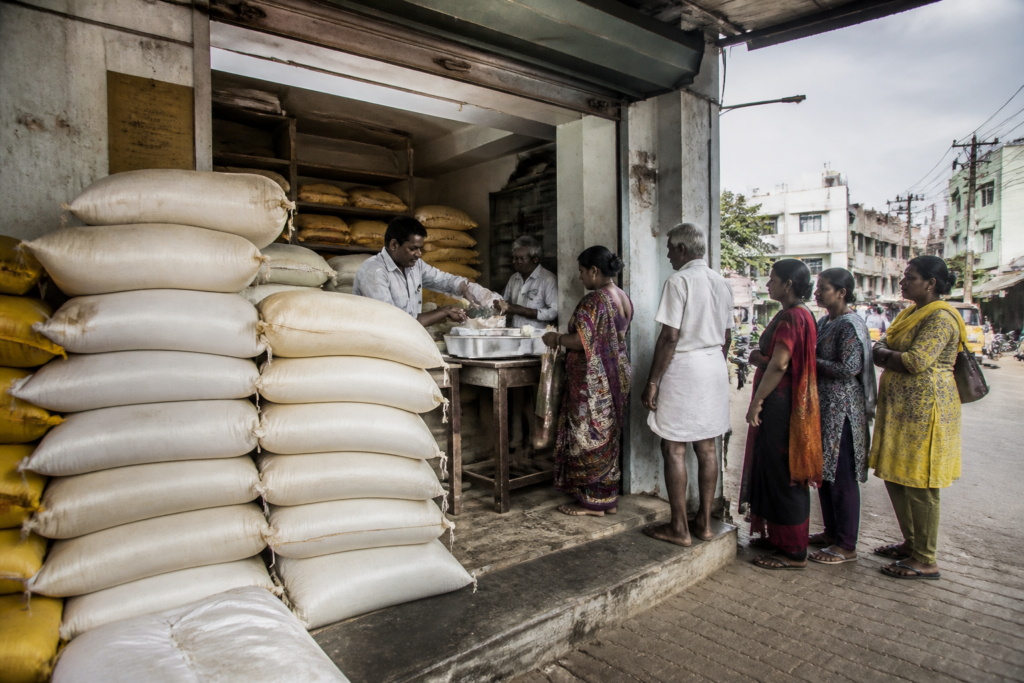
Tamil Nadu is preparing measures to contain rising prices of rice and pulses after a temporary reduction in supplies from neighbouring Andhra Pradesh and Karnataka contributed to higher rice prices, Food and Civil Supplies Minister P Venkataramanan said on Thursday.
The minister said the state government was monitoring the prices of essential commodities and had convened a high-level meeting of the Price Determination and Price Monitoring Committee on Tuesday. The meeting reviewed supply chains for rice, wheat, sugar and various pulses, according to the minister’s account to reporters.
“Concrete plans and relief measures—including subsidized distribution through ration shops and broader market stabilization schemes—have been formulated and will be officially announced within the next two to three days,” Venkataramanan said.
The announcement places Tamil Nadu’s public distribution network at the centre of the immediate response. The minister indicated that subsidised distribution through ration shops could form part of the relief package, although the government has not yet released details on the commodities covered, the quantities to be distributed, eligibility conditions or the duration of any intervention.
Venkataramanan attributed the temporary increase in rice prices primarily to a seasonal reduction in inbound supplies from Andhra Pradesh and Karnataka. The statement did not specify the extent of the supply decline, the price increase in different markets, or how long the disruption is expected to continue.
The minister said the administration was taking active steps to monitor the situation and prepare measures to curb price inflation. He also criticised opposition parties for responding to what he described as fragmented information without considering the broader economic context.
For households, changes in rice and pulse prices can affect recurring food expenditure and demand for subsidised supplies. In cities, where many households depend heavily on purchases from retail markets or the ration system, the effectiveness of any intervention will depend on how quickly supplies reach distribution points and whether the measures cover the products and communities facing the greatest pressure. The government has not yet provided operational details on these aspects.
The state’s response is being developed through the Price Determination and Price Monitoring Committee, which reviewed the supply position across several essential commodities. The committee’s meeting indicates that the administration is considering the issue as a wider food-supply and price-monitoring matter rather than limiting the response to rice alone.
The next formal step is the state government’s announcement of the proposed relief measures. According to the minister, those details are expected within two to three days and will clarify how subsidised ration-shop distribution and market-stabilisation measures will be implemented.


