

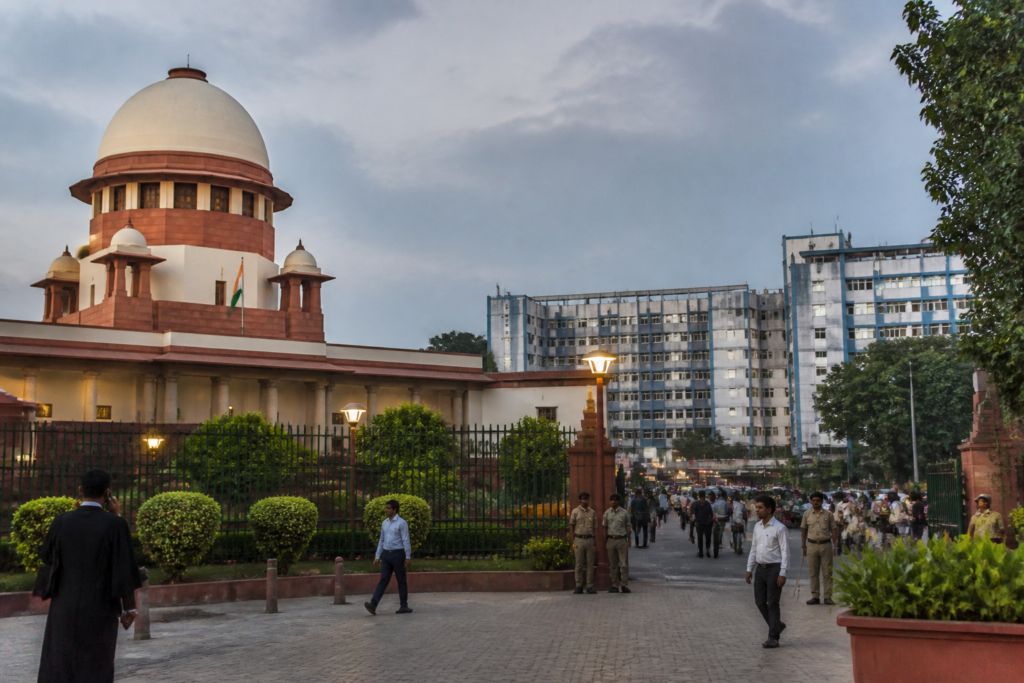
The Supreme Court has granted bail to Sandip Ghosh, the former principal of Kolkata’s RG Kar Medical College and Hospital, in a Central Bureau of Investigation (CBI) case concerning alleged financial irregularities at the state-run institution. The bench of Justices M.M. Sundresh and Prashant Kumar Barale granted relief after taking note of the slow progress of the trial and Ghosh’s detention for more than two years.
The order came after the Supreme Court was told that only seven of 147 prosecution witnesses had completed their testimony. Ghosh’s lawyers relied on the pace of the proceedings while challenging an earlier Calcutta High Court decision that had rejected his bail application. The Supreme Court granted bail on Friday, according to a report by Anandabazar.
Ghosh had approached the Calcutta High Court after being arrested by the CBI in connection with allegations of financial corruption at RG Kar. The High Court had refused bail, with Justice Tirthankar Ghosh observing that the allegations involved the alleged misappropriation of public funds linked directly to public health services. The court had also expressed concern that Ghosh, described in the order as influential, could potentially affect witnesses.
The financial case emerged after the rape and murder of a doctor at RG Kar brought wider allegations about the hospital’s administration into public view. The CBI alleged that large sums deposited from the hospital’s accounts into contractors’ accounts were systematically diverted. According to the allegations cited in the report, cheques were prepared in the names of close associates of contractors, with the money either withdrawn or transferred to other associated entities before being taken out.
The Enforcement Directorate (ED) also began investigating the financial allegations and filed a chargesheet in February, the report said. The ED did not take Ghosh into custody in this case. The report said his release could therefore become more likely, although the position could change if the agency challenges the bail order in court.
The Supreme Court’s order concerns the financial-corruption case. Ghosh had earlier received bail in the separate rape-and-murder case involving the doctor at RG Kar. Bail does not amount to an acquittal, and the allegations against him remain subject to trial.
The order drew criticism from the victim’s family and doctors associated with the RG Kar protests. The victim’s father accused the CBI of failing to conduct the case effectively, while the West Bengal Doctors’ Forum said the bail order did not establish Ghosh’s innocence. Its president, Kaushik Chaki, also raised concerns about the possibility of Ghosh being reinstated in government service, having his medical registration restored or returning to a position of authority. Those possibilities were expressed as concerns and were not confirmed in the report.
The Association of Health Service Doctors said the slow trial, with 140 of the 147 witnesses yet to complete testimony, had placed questions of accountability and justice in focus. The next developments will depend on the formal conditions of the Supreme Court’s bail order and on whether the ED challenges the relief in court.


