

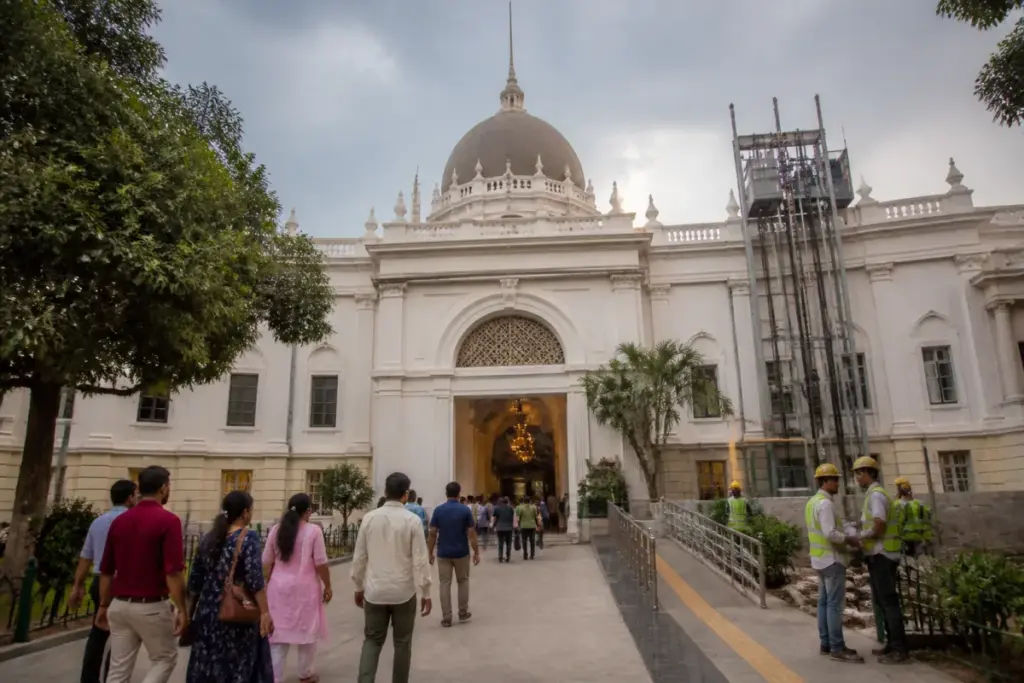
The Salar Jung Museum in Hyderabad is set for a proposed modernisation programme covering galleries, visitor facilities, safety systems and educational initiatives after Telangana Governor Shiv Pratap Shukla reviewed 13 development-related agenda items at a meeting of the museum board on October 17.
The Governor, who is also chairman of the Salar Jung Museum Board, chaired the meeting at Lok Bhavan. The proposals discussed included upgrades to the Carpet Gallery, Modern Art Gallery, Indian Miniature Gallery, Toy and Taxidermy Gallery, Furniture Gallery, Textile Gallery and Children’s Gallery. Improvements to the Musical Clock Area were also placed before the board.
The plans include a temporary exhibition gallery, a stepwell and an interactive orientation space intended to help visitors understand the museum’s collections. Internal and external signage, fire safety signs, amenity displays and the main directory board are also proposed for improvement.
The infrastructure-related proposals cover centralised air-conditioning, upgraded public amenities and washrooms, roof waterproofing, dedicated storage for carpets and improvements to the existing elevators. The plan also includes installing an additional elevator. Other priorities identified at the meeting were renovation of the museum guest house, preparation of a master plan, project management and coordination of curatorial activities.
Curator (Display) Ritesh Sharma presented the gallery-upgrade proposals, while Curator (Education) Joyoti Roy outlined educational programmes aimed at familiarising students and young people with India’s history, art and cultural heritage. The presentations were followed by discussions on gallery modernisation and exhibition methods.
The proposed work places visitor movement, interpretation and building services alongside the conservation and display of artefacts. For a large public museum, these functions are closely linked: galleries must protect collections while also providing legible routes, usable amenities, safety information and formats that can engage first-time visitors and students.
In remarks reported after the meeting, Mr. Shukla said museums were “not merely repositories of the past but important centres of learning that connect future generations with history, art and the evolution of civilisation”. He called for rare artefacts and historical collections to be presented through contemporary formats, modern technology and improved interpretation methods.
The meeting did not announce a project cost, construction schedule or completion deadline for the proposed upgrades. It also did not specify which works would be taken up first. The preparation of a master plan and the identification of project-management priorities indicate that the proposals remain at the planning and coordination stage.
The next steps identified at the meeting are the development of the master plan, coordination of curatorial activities and further consideration of the proposed gallery, building-services, accessibility and visitor-amenity improvements.


