

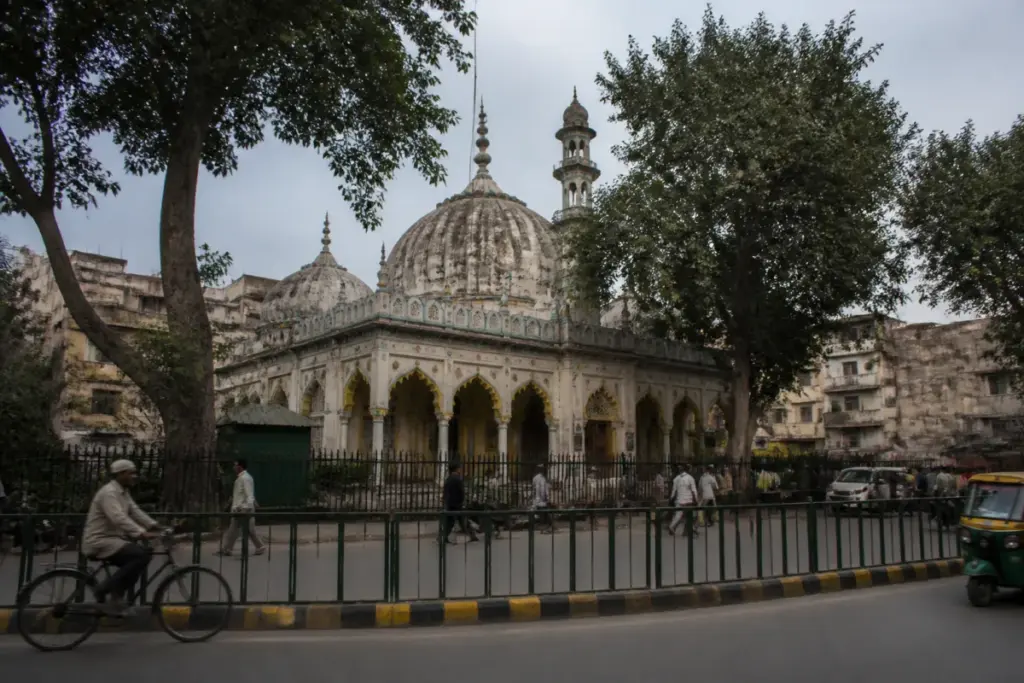
A reported eviction notice and demolition order involving Delhi’s historic Race Course Mosque have triggered a demand for intervention from Union Minority Affairs Minister Kiren Rijiju, with AIMIM president Asaduddin Owaisi alleging that the absence of a constituted Delhi Waqf Board has left the property without effective institutional protection.
In a post on X cited by Deccan Chronicle, Owaisi said the matter required urgent action from Rijiju. He argued that resolving the issue fell within the minister’s responsibility because the Delhi Waqf Board has not been constituted since 2023. The report does not include the alleged eviction notice or demolition order, nor does it carry responses from the Union Ministry of Minority Affairs, the Delhi government, the Delhi Waqf Board chief executive officer or the agency that issued the order.
Owaisi said the Race Course Mosque had been a gazetted waqf property since 1977. According to his account, the Delhi Waqf Board did not challenge the demolition order or take steps to resolve the matter. He also alleged that the Board’s chief executive officer could have intervened but did not do so.
The dispute places the mosque within a wider administrative question: how properties recorded as waqf assets are protected and represented when the statutory board responsible for their management is not functioning. The supplied report does not establish the precise authority behind the reported notice, the legal basis cited for the proposed eviction or demolition, the current status of the mosque, or whether any court proceedings have been initiated.
Owaisi further argued that the Waqf Amendment Act protects the mosque because it is a “waqf by user” property. He said properties registered in the past under that category continued to be protected. This claim has not been independently assessed in the supplied material, and the report does not quote the relevant statutory provision or clarify how it applies to the Race Course Mosque.
The issue also illustrates how disputes over urban religious properties can involve several overlapping institutions, including waqf authorities, land-owning agencies, municipal bodies and courts. The available account does not identify the land-owning authority or explain whether the reported action relates to title, encroachment, redevelopment, safety, land use or another administrative ground.
For residents and worshippers, the immediate question is whether the reported notice has been issued and what action it requires. For Delhi’s property governance system, the case raises a separate question about who is expected to respond when a protected or recorded waqf property faces a legal or administrative challenge. Those questions remain unresolved in the supplied report.
Confirmation of the alleged eviction notice, the demolition order, the property’s legal record and responses from the relevant authorities will be necessary to establish what action has been taken and whether the mosque faces an immediate risk of displacement or demolition.


