

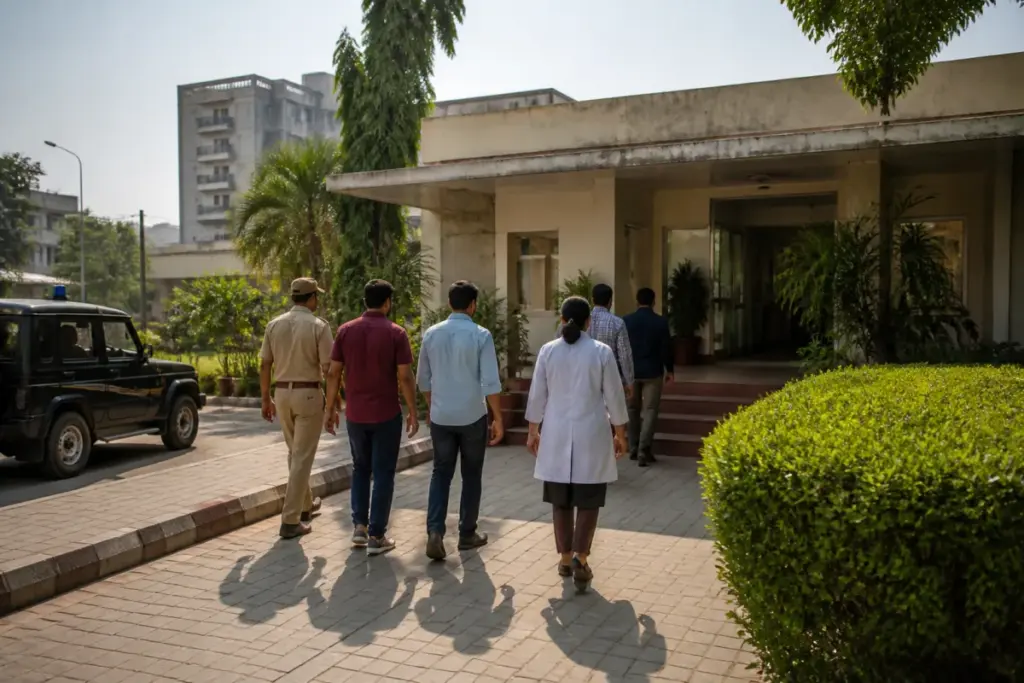
Pune Police have sent 12 people facing drug-use cases for treatment at a de-addiction centre in Kirkatwadi, with nine receiving discharge from court after completing a month-long programme and three cases remaining pending.
The initiative was carried out under the jurisdiction of the city’s Zone Three police units, covering Warje, Narhe, Uttamnagar and Nanded City. It was implemented under the guidance of Deputy Commissioner of Police Dr Sagar Kawade, according to a report by Pudhari.
The programme is aimed at treating people caught in drug dependence as individuals needing medical care, counselling and rehabilitation, rather than viewing every case only through a criminal enforcement lens. The 12 people were sent to the Aatmanirbhar Social Foundation’s de-addiction centre in Kirkatwadi, where each completed one month of treatment.
After treatment, the police followed the relevant legal process and submitted reports to the courts. Nine of the cases resulted in discharge, while proceedings in the remaining three cases are still pending.
The case-wise outcome varied across the four police jurisdictions. Warje Police had sent three people for treatment; one received discharge and two cases remain pending. Narhe Police also sent three people, with two receiving relief from the court and one case pending.
The three people sent by Uttamnagar Police and the three sent by Nanded City Police received discharge in all six cases, the report said. The figures indicate that the programme involved coordination between police stations, the treatment centre and the courts rather than stopping at referral for counselling or medical care.
The legal basis cited for the intervention is Section 64(A) of the Narcotic Drugs and Psychotropic Substances Act, 1985. Under this provision, eligible individuals may receive protection from prosecution, subject to the conditions prescribed by law, if they undergo de-addiction treatment. The provision does not apply automatically to every person accused in a drug-related case; eligibility and compliance with its conditions remain central to the legal process.
The initiative comes alongside the police’s enforcement action against drug traffickers. Its treatment component separates the response to supply and dependence: while alleged traffickers remain subject to criminal enforcement, people identified as drug users may be directed towards treatment and rehabilitation where the law permits.
For the police and courts, the approach requires more than identifying drug use. It involves referral to a treatment facility, completion of the prescribed programme, documentation of the treatment and presentation of the relevant report before the court. The outcome of the three pending cases will determine the next legal step for those individuals.
The Pune Police initiative therefore places the implementation of Section 64(A) within a local institutional chain involving police stations, a de-addiction centre and the judiciary. The remaining cases are pending before the courts, while the nine discharged cases have completed the process reported by the police.


