

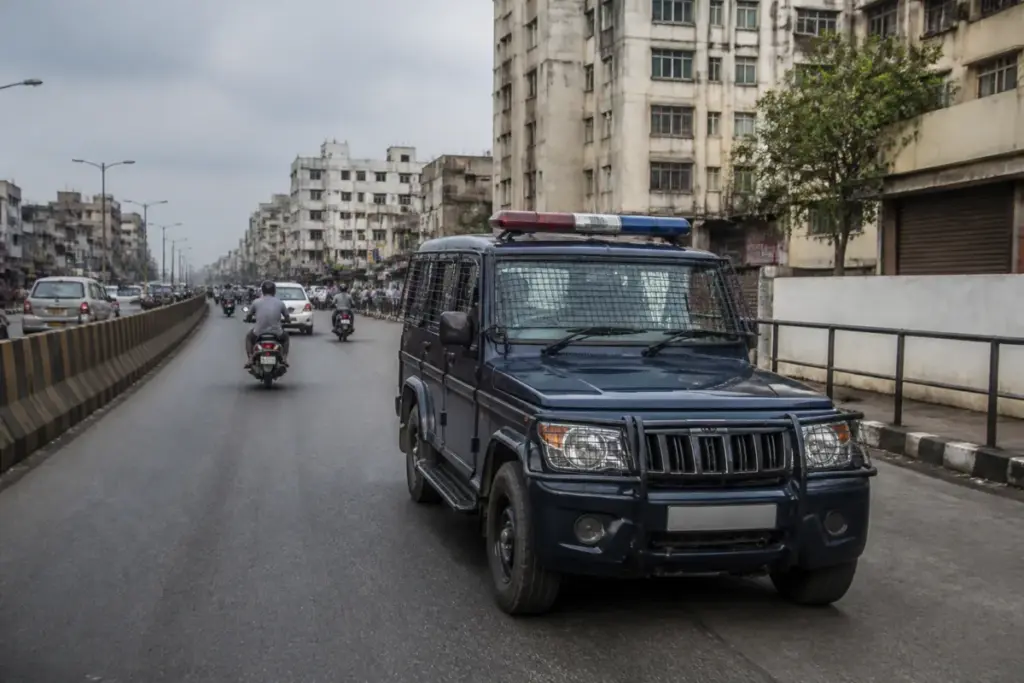
Pune Police have externed a gang leader and nine other habitual offenders from Pune city, Pimpri-Chinchwad and Pune district for two years in an action intended to maintain law and order, according to a report by Punekar News published on 21 October 2026.
The individuals named in the order are accused in cases involving serious offences including murder, attempt to murder, robbery, preparation for robbery, extortion, illegal possession of weapons, grievous hurt, drug peddling and obstructing government officials from discharging their duties. The report also said the cases include allegations of creating terror.
The externment action covers areas linked to Katraj, Ambegaon, Bibwewadi and Dhankawadi. These neighbourhoods fall under multiple police station jurisdictions in Pune, including Ambegaon, Bibwewadi and Bharati Vidyapeeth.
The order names Akash alias Button Prakash Bandilkar, aged 20, Rameshwar Laxman Kare, aged 25, and Ganesh Tamar am Jadhav, aged 23, all residents of Katraj. It also names Aditya alias Sonya Khandu Kamble, aged 23, a resident of Ambegaon Khurd under the Ambegaon police station jurisdiction.
Aniket Vijay Kondhare, aged 22, a resident of Lower Indiranagar, is linked to the Bibwewadi police station area. Kiran Dattatraya Pangare, aged 23, is identified as a resident of Dhankawadi.
Four others named in the order fall under the Bharati Vidyapeeth police station limits. They are Vikas Anil Jadhav, aged 28, and Vivek Ramesh Shewale, aged 24, both residents of Khopdenagar in Katraj; Ganesh alias Chirag Sachin Badgujar, aged 22, a resident of Bharatnagar in Katraj; and Omkar Anant Bahirat, aged 23, a resident of Gujarwadi in Katraj.
The action is geographically significant because the order extends beyond a single police station or neighbourhood, covering Pune city, the Pimpri-Chinchwad urban area and the wider Pune district. The report did not provide details of the individual externment proceedings, the authority that issued the order, or the conditions governing the return of the 10 people during the two-year period.
The offences cited in the report span violent crime, property crime, alleged intimidation, weapons possession and drug-related activity. The order therefore forms part of preventive law-and-order enforcement aimed at removing people identified by the police as habitual offenders from the areas where the cases were reported.
The two-year period specified in the externment order will determine how long the restrictions remain in force. Further details on enforcement, appeals or the formal order were not included in the supplied report.


