

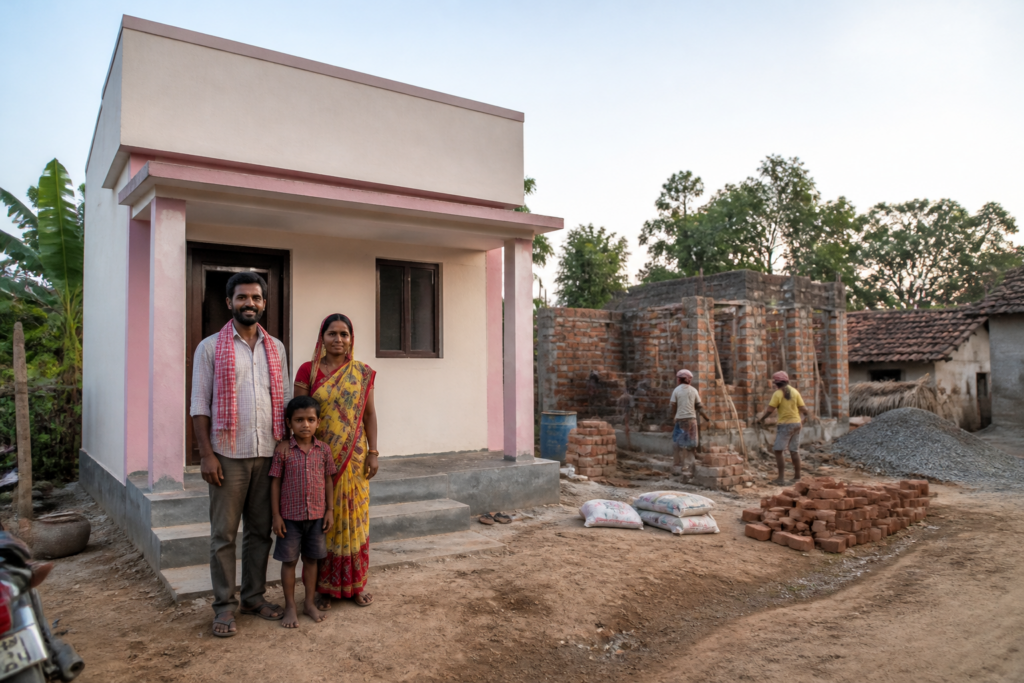
Odisha has approved 2,91,666 additional houses under the Antyodaya Gruha Yojana and extended the rural housing scheme’s implementation deadline by two years to 2029, according to a report by Pragativadi. The decision is aimed at expanding coverage for poor and vulnerable households that were not included in central housing programmes.
Chief Minister Mohan Charan Majhi approved the expansion while keeping the scheme’s total project outlay unchanged at Rs 7,550 crore. Under the revised plan, Rs 3,500 crore earlier earmarked for the repair component will be reallocated towards constructing new houses.
The Panchayati Raj and Drinking Water Department has been directed to conduct a quick survey to identify additional eligible beneficiaries. The revised eligibility norms will include households that have received Rs 48,500 or less under the scheme, along with other families meeting the programme’s criteria.
The Antyodaya Gruha Yojana primarily covers households that were left out of the Pradhan Mantri Awas Yojana. Its target group includes families living in kutcha houses and those without permanent shelter. The addition of nearly 2.92 lakh houses is expected to widen the programme’s coverage across rural Odisha.
The government has also increased incentives for beneficiaries who complete construction within specified timelines. Families completing their houses within five months will now receive an incentive of Rs 35,000, compared with the earlier Rs 20,000 available for completion within four months. Those completing construction within seven months will receive Rs 20,000, up from the previous incentive of Rs 10,000 for completion within six months.
The revised incentives are intended to encourage faster construction and improve the pace of housing delivery. However, the scheme’s extension also means that implementation will continue for two additional years, with the revised deadline moving from 2027 to 2029.
The Antyodaya Gruha Yojana was launched with a target of constructing houses for five lakh families, with particular attention to households among the poorest sections that were not covered by central housing programmes. The newly approved houses will be added within the existing Rs 7,550-crore outlay through the reallocation of funds from repairs to new construction.
The department’s beneficiary survey will be the next operational step. It will determine which additional households qualify under the revised norms and help the state identify families eligible for support under the expanded housing target.
Chief Minister Majhi said the wider coverage and higher incentives would help more families receive benefits and accelerate progress towards permanent housing for eligible households. The state’s revised implementation timeline now runs until 2029.


