

Nashik and Trimbakeshwar authorities are preparing for pilgrim gatherings projected to be four to five times larger than previous editions of the Nashik Kumbh Mela 2027, with crowd control, sanitation, water management and safety identified as the administration’s top priorities.
District guardian minister and Kumbh Mela minister Girish Mahajan said advanced crowd-management planning was being implemented because key religious sites, including Nashik’s Ramkund and Trimbakeshwar’s Kushavarta Teerth, are already heavily congested. He said the objective was to prevent any mishap during the Simhastha Kumbh Mela, which is scheduled for August and September 2027.
Mahajan made the remarks after performing the Dhwaja Stambh Pujan at Kushavarta Teerth in Trimbakeshwar. The site is currently closed to pilgrims because development work is in progress. The Dhwajarohan, or flag-hoisting ceremony, is scheduled for October 31 at Ramkund in Nashik and Kushavarta Teerth in Trimbakeshwar. Vaishnav seers are expected to gather at Ramkund, while Shaiv seers will assemble at Kushavarta for the mela.
The administration has invited President Droupadi Murmu, the chief minister, cabinet ministers and other dignitaries to the ceremonies. The preparations are unfolding across two major religious centres whose narrow, high-footfall zones will need to accommodate pilgrims, religious processions and civic services during the event.
Water availability has emerged as a key concern because Maharashtra is facing drought conditions. Mahajan said there would be no shortage of water during the mela and that planning was being undertaken to minimise wastage. At Trimbakeshwar, authorities plan to recycle and reuse water for bathing, he said.
Mahajan also said the mela would take place during the peak monsoon months, roughly three months after the rains begin, and that water scarcity or reservation-related issues were therefore not expected. He nevertheless stressed that water would have to be used judiciously during the gathering.
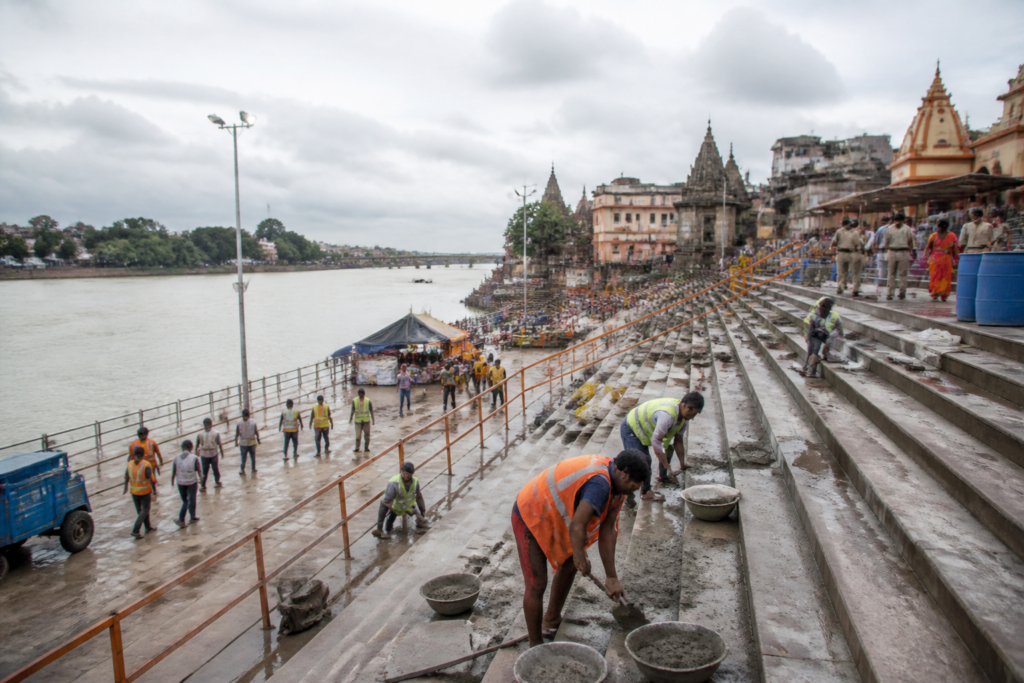
Infrastructure works, including roads, ghats and civic amenities, are under way in the two locations. With the first holy bath scheduled for August, the administration is aiming to complete the works by June or July. Land and property acquisitions are also in progress, with compensation being provided to support the preparations.
The next major public milestone is the October 31 Dhwajarohan ceremony, followed by the scheduled completion of roads, ghats and civic works before the first holy bath in August 2027.


