

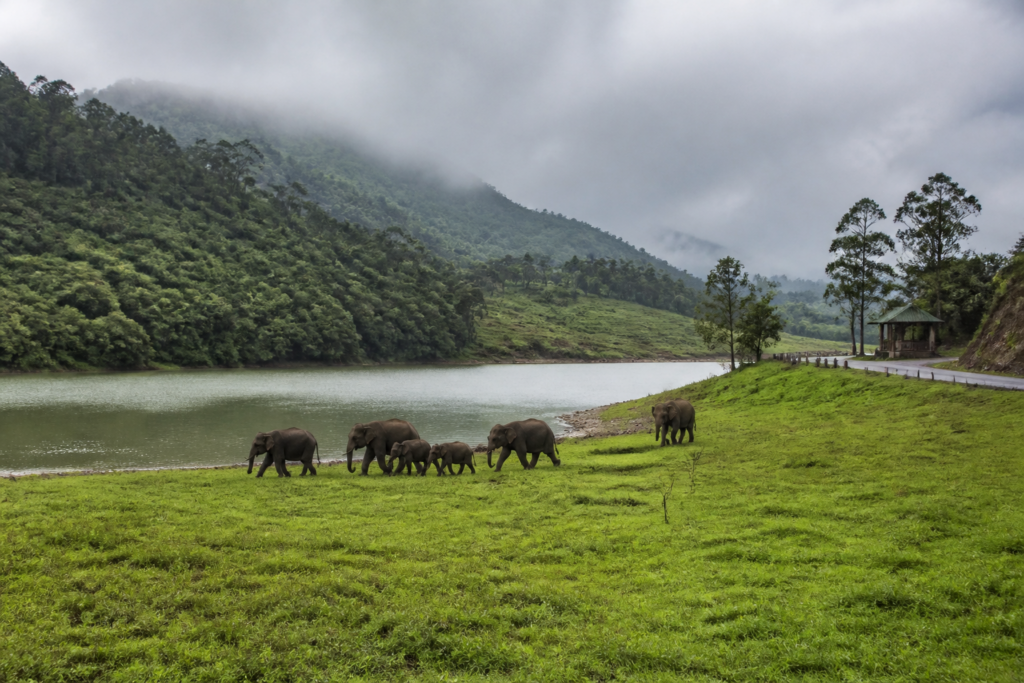
Kerala’s reported move to open the Mattupetty grasslands in Munnar for tourism has triggered concerns that new visitor infrastructure could disturb an important elephant habitat and worsen human-wildlife conflict in the landscape.
ANEC Trust, an environmental organisation, has written to the chief minister, the forest department minister and officials in the revenue and tourism departments, seeking an immediate independent ecological assessment. The NGO has also urged authorities to suspend further construction and expansion of tourism activities in the area.
The grasslands fall under the Kerala Livestock Development Board and lie between the Munnar–Top Station Road and the Mattupetty Reservoir. In its representation, ANEC Trust said the area provides wild elephants with natural forage, water and open space. Elephant herds, including females with young calves, reportedly use the grasslands.
The organisation said the availability of food and water within the habitat could reduce the need for elephants to move into nearby plantations, agricultural land, roads and human settlements. This, in turn, may help reduce encounters between people and elephants. The NGO has argued that the grasslands should be treated as a functioning wildlife habitat rather than vacant land available for tourism-oriented development.
The concerns follow reports of a watchtower being developed within the grasslands, along with a roadside ticket counter and barricaded access arrangements for tourists. ANEC Trust said the potential ecological impact would not be limited to the physical structures. It also identified tourist influx, vehicle movement, noise and human disturbance as possible sources of pressure on the habitat.
According to the organisation, such activity could obstruct elephant movement or limit access to food and water. It warned that disturbance may displace elephants from their natural feeding grounds and increase their movement towards human-use areas. The possible consequences listed in the representation include crop damage, property loss, injuries and retaliatory harm to wildlife.
The issue places tourism infrastructure and habitat management in direct proximity. A watchtower, ticket counter and barricaded access may appear limited in scale, but their operation can bring regular visitor movement, vehicles and noise into a landscape used by elephants. The NGO’s request for an independent ecological assessment therefore concerns both the proposed structures and the wider pattern of tourism activity around them.
The representation has been sent to the chief minister, the forest department minister, government officials, revenue and tourism authorities, and the Kerala Livestock Development Board. The reported demands are an independent assessment of the grasslands and a halt to further construction and tourism expansion until the ecological implications are examined.
The authorities’ response, the status of the reported watchtower and ticket counter, and whether an ecological assessment will be commissioned were not detailed in the supplied report. The next steps will determine whether tourism access expands in the habitat or is reviewed in response to the concerns raised by the environmental group.


