

Maharashtra is experiencing an intense October heat spell, with above-average temperatures across much of the state and little likelihood of widespread rain, weather expert Dr S. D. Sanap said in information reported by Lokmat – Pune. The conditions are raising concerns for soil moisture and the upcoming rabi sowing season, particularly in rainfed farming areas.
Temperatures have remained higher than average at many locations since the beginning of October. The Konkan coast has experienced the most intense heat, with Ratnagiri recording 39.2 degrees Celsius on October 12. According to Dr Sanap, the rise has been linked to an increase in dry winds moving from land areas. High humidity along the Konkan coast is adding to the discomfort and increasing the risk of dehydration for residents.
Dr Sanap advised people in the coastal region to drink sufficient water and take precautions against dehydration. Although temperatures are also elevated in the rest of Maharashtra, he said the situation there had not reached a level warranting a formal warning.
The weather outlook does not point to a return of widespread rainfall. Conditions are favourable for the southwest monsoon to withdraw from the country, while satellite imagery indicates clear skies over Maharashtra. Between October 17 and 20, some isolated locations in south-central Maharashtra may see cloudy conditions and light rain. However, the forecast described in the report does not indicate the possibility of heavy or widespread rain across the state.
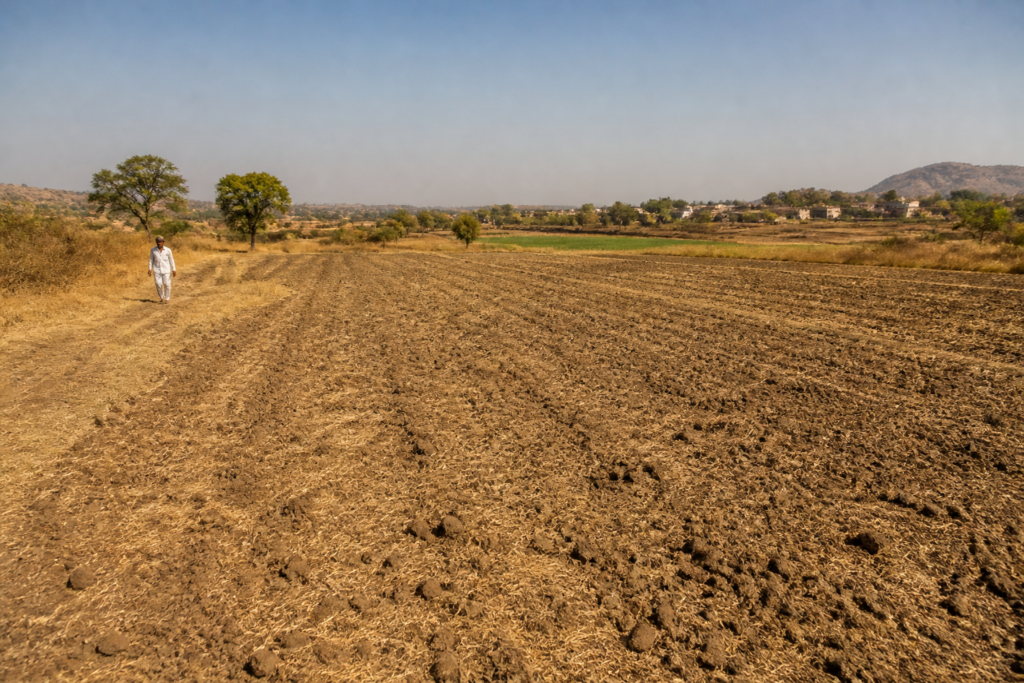
The limited rainfall outlook is significant for the rabi season because continued heat is accelerating evaporation. In rainfed farming areas, farmers may find it difficult to begin sowing on the basis of the moisture currently available in the soil. The report does not provide a statewide estimate of the area affected or a revised sowing schedule, but it identifies soil moisture as a key immediate constraint.
The weather conditions also have implications beyond farms. High temperatures and humidity increase heat stress for people working outdoors and for households without reliable access to cooling. In urban and peri-urban areas, the combination of dry weather, hard surfaces and limited rainfall can intensify daytime heat, while water demand may rise as residents try to manage dehydration and discomfort.
Dr Sanap said temperatures during the day could decline to some extent after October 17. However, he added that the extent of winter cooling could remain slightly lower than in previous years because of the elevated temperatures. A detailed and official winter outlook is expected from the meteorological department next month.
For the immediate period, the forecast points to isolated light rain rather than a broad wet spell. The next key indicators will be the actual rainfall received between October 17 and 20, changes in daytime temperatures after October 17, and the official winter forecast expected next month.


