

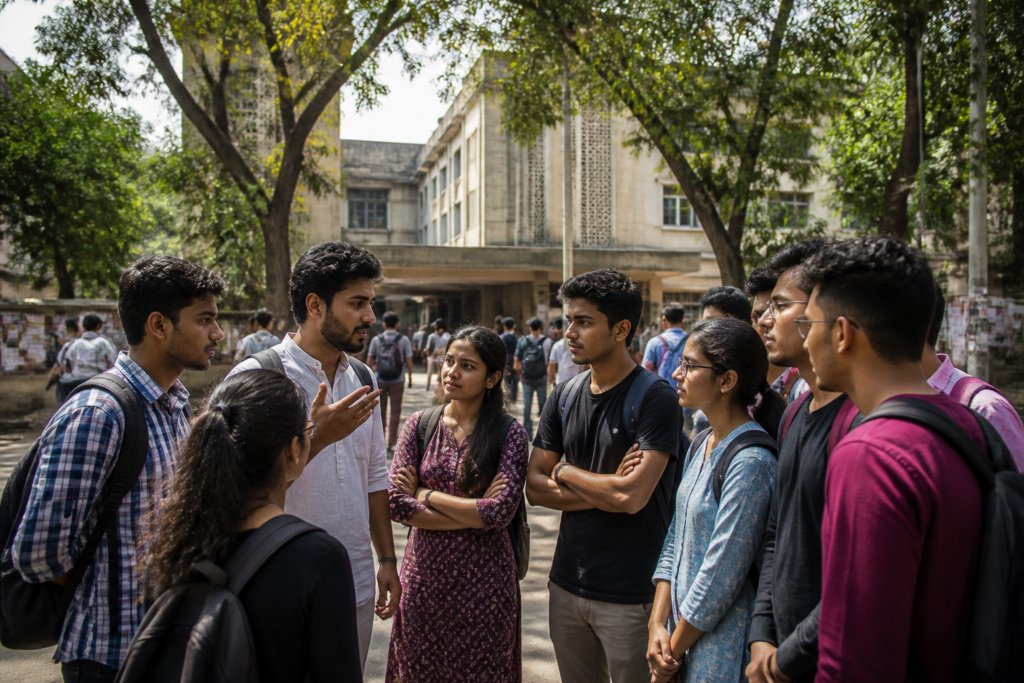
Maharashtra is preparing to hold campus elections in January across state universities and colleges, potentially restoring student union polls after a 33-year gap. The proposal is being examined alongside a planned amendment to the Maharashtra Public Universities Act that could allow non-partisan elections with spending limits and safeguards against discrimination based on caste, religion and other social identities.
The decision emerged from a meeting chaired by higher and technical education minister Chandrakant Patil on Wednesday. A committee examining the election guidelines has been directed to assess possible methods and procedures for conducting the polls and submit a final report. Work on the operational framework is expected to begin after Diwali, according to government sources cited by The Times of India.
If approved, the amendment is likely to be introduced during the Winter session of the Maharashtra legislature. The proposed model would seek to keep political parties out of campus elections while creating a formal platform for student representation. An official said student movements were gaining momentum across the country and that the government was positive about providing them a platform through campus elections.
The plan would mark a major change in how student representation is organised in Maharashtra’s public higher education system. The state has not held campus elections for 33 years, and the proposed return of polls places the focus on the rules that will govern participation, expenditure and eligibility. The committee’s report is expected to determine how universities and colleges would conduct the elections and what procedures would apply across institutions.
The meeting also addressed financial relief for students in drought-affected areas. Patil reiterated that universities and colleges under the department should not collect examination fees from eligible students in those areas. The directive applies to engineering colleges, arts colleges and other institutions under the higher and technical education department. Patil said strict action would be taken against institutions that violate the fee-waiver instruction.
Several examination and academic-administration measures were discussed alongside the election proposal. These included steps to prevent question-paper leaks, improve transparency in examinations and bring greater uniformity to the declaration of results. The state plans to introduce a uniform academic calendar across public universities from the 2027-28 academic year and has directed universities to make degree certificates available on DigiLocker immediately after results are declared.
The government also plans to develop a uniform policy for re-examinations and ATKT rules across universities. At present, differences in academic procedures between institutions can affect how students manage failed subjects, reappear for examinations and complete their degrees. The proposed common framework is intended to bring greater consistency to these processes, although its detailed provisions have not yet been released.
Patil is scheduled to visit universities between December 15 and January 15 to review academic and administrative functioning. He is also expected to stay in hostels and examine accommodation, food, cleanliness and drinking-water facilities, while interacting with students about their concerns. The committee’s final report and the proposed legislative amendment will determine whether the planned January campus elections proceed and what safeguards govern them.


