

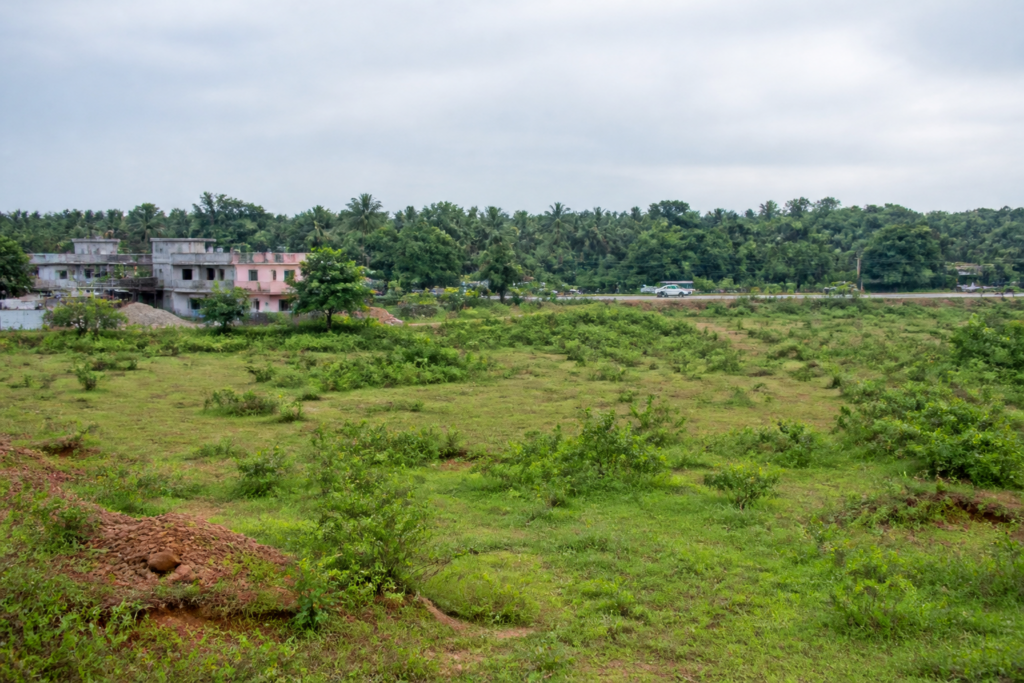
The Odisha government has shifted the proposed 100-bed Central Research Institute of Yoga and Naturopathy from a densely vegetated 20-acre plot in Khurda district to an alternative site at Alkar, a move that could protect thousands of trees on the original land.
Khurda collector and district magistrate Amrit Ruturaj informed the National Green Tribunal’s east zone bench about the relocation in an affidavit. The new site comprises 15 acres of government land at Alkar village under Jatni tehsil, which has been identified and handed over to the Union Ministry of Ayush for the institute.
The project was initially planned at Binjhagiri, where the state had allotted 20 acres to the ministry. Its foundation stone was laid by Prime Minister Narendra Modi through video conferencing on October 29, 2024. Local residents Hazari Dehuri and Hrudananda Kodamsingh later approached the NGT, challenging the diversion of the land for the institute.
On March 19, 2025, the tribunal had directed that any construction work would remain subject to the outcome of the petition seeking relocation. The bench, comprising judicial member Justice Arun Kumar Tyagi and expert members A Senthil Vel and Ishwar Singh, took the collector’s affidavit on record and closed the hearing on Tuesday.
The affidavit stated that the original plot was recorded as ‘gochar’, or grazing land, and was not classified as forest land. However, authorities found substantial forest growth on the site and decided to move the project after considering the restrictions that could apply under the Forest (Conservation) Act, 1980.
The proposed relocation followed discussions between the district administration and the Central Council for Research in Yoga and Naturopathy under the Union Ayush ministry. The district administration approved the site-selection proposal on February 23, 2026. The state Revenue and Disaster Management department sanctioned advance possession of the 15-acre Alkar plot on April 4, and the Jatni tehsildar formally handed over the land on April 28.
According to the petitioners’ counsel, Sankar Prasad Pani, the shift could save nearly 26,000 trees at the original site. A joint verification by forest and revenue officials reportedly recorded more than 3,300 trees per hectare, or about 1,335 trees per acre, on the 20-acre Binjhagiri plot.
The original land has since been resumed by the administration and restored to its earlier revenue records, the collector stated. The affidavit does not provide a revised construction schedule or completion timeline for the institute at Alkar. The project’s next implementation milestones will depend on the Union Ayush ministry and the authorities responsible for developing the alternative site.


