

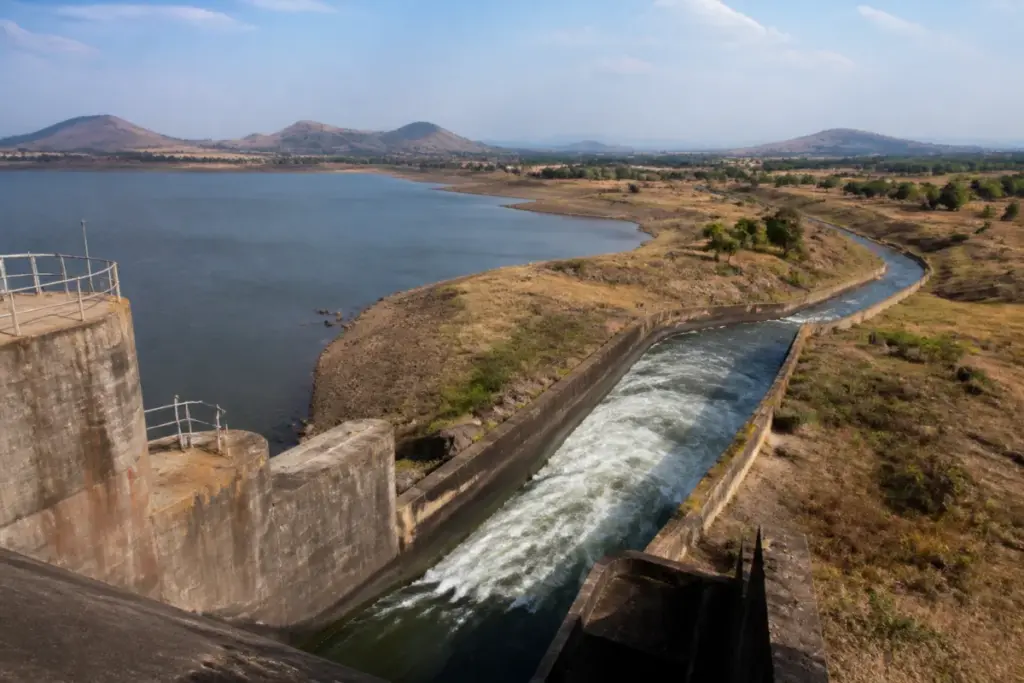
The Khadakwasla water cut could shorten the 45-day rabi irrigation rotation serving parts of Pune district after the state government directed a 10% reduction in water use from available storage. The decision may affect water supplies for farming and drinking purposes in Baramati, Indapur, Daund and Haveli talukas.
The Khadakwasla chain of dams—Khadakwasla, Panshet, Varasgaon and Temghar—held 25.42 TMC of water, or 87.18% of total storage, according to information reported from the Water Resources Department. On the same day last year, the four reservoirs held 29.04 TMC, or 99.60% of storage. This year’s level is therefore 3.62 TMC lower than last year’s corresponding figure.
The rabi rotation began on 25 September and was planned to run for 45 days. Water is currently being released at 1,100 cusecs per day through the canal system. The Water Resources Department had planned to allocate four TMC for the first rotation, covering agricultural and drinking-water needs in the four talukas.
Officials said 1.90 TMC had been distributed so far for these purposes. With 2.10 TMC still remaining against the original allocation plan, the government’s water-reduction directive may require the department to revise the schedule. The report said that up to 1 TMC could potentially be cut from the remaining allocation.
The department has not yet clarified whether the current rotation will continue for the full planned 45 days or end earlier. Any reduction in the rotation period could affect the availability of water for rabi crops, particularly in areas where farm irrigation depends on scheduled canal releases. Farmers in the four talukas are awaiting the department’s decision on the revised allocation and operating schedule.
The Khadakwasla system supplies canal water for both agriculture and drinking purposes in parts of Baramati, Indapur, Daund and Haveli. Water was also released through the canals before the rabi rotation began. According to the report, 6.38 TMC had been distributed through the canal network during that period, benefiting kharif crops in parts of the four talukas that received lower rainfall.
The reservoir system also discharged 19 TMC into the Mutha river during the monsoon after heavy rain in its catchment area. Despite that release, the current storage remains below last year’s level, while the 10% reduction directive has created uncertainty around the balance between irrigation requirements and available water. The Water Resources Department’s next decision will determine whether the rabi rotation is completed as scheduled or curtailed before the planned 45-day period.


