

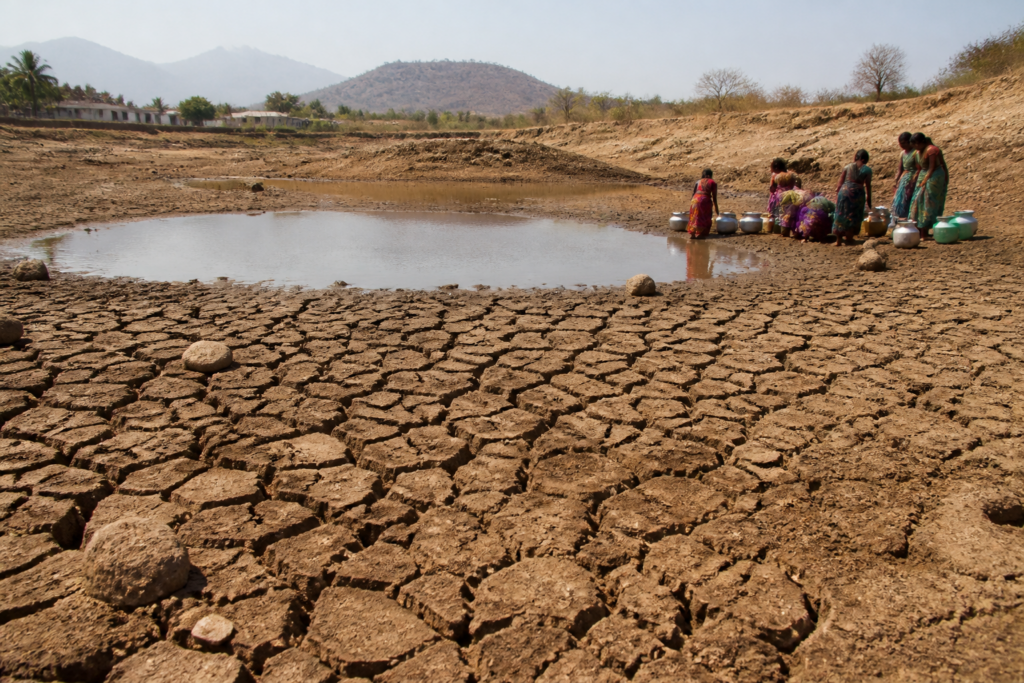
Karnataka’s drought crisis has widened to 226 taluks after nine more areas were added to the drought-affected list, Deputy Chief Minister G Parameshwara said on Wednesday, as the state prepares a final memorandum seeking financial assistance from the Centre.
Parameshwara, who also holds the Revenue portfolio, said ground-truthing had been completed in the nine newly identified taluks. Assessments under the Trigger-1 criteria are still under way in some other taluks, and areas that qualify will be taken up for ground verification, he said.
The final memorandum, which will detail the drought-related losses across Karnataka, is expected to be ready within a week. The total loss estimate and the amount of relief sought from the Centre will be determined after the document is completed in accordance with the guidelines of the National Disaster Response Fund, or NDRF.
“Last year, we sought around Rs 18,000 crore in drought relief. This year, losses have occurred across almost the entire state, and 226 taluks have already been declared drought-affected. If more taluks qualify, the losses will increase further,” Parameshwara said, according to PTI.
The scale of the declaration places drought management beyond a limited, district-level response. A taluk-level classification is used to establish eligibility for official relief measures, while ground-truthing and Trigger-1 assessments provide the administrative basis for confirming the extent of damage. The final memorandum will therefore determine not only the value of Karnataka’s request but also the evidence submitted to support it.
The state government has also asked the Centre to relax the existing NDRF norms for drought relief. Parameshwara said he and Chief Minister D K Shivakumar had raised the request with the Union government. Although the Union Agriculture Minister had assured them that the matter would be examined, Karnataka had not received any further response, he said.
The delay in finalising the memorandum means that the immediate relief process remains tied to the completion of assessments across the affected taluks. The government will decide on sending a delegation to New Delhi after the memorandum is ready. The proposed delegation is expected to include the Chief Minister, the Deputy Chief Minister and other state representatives, who would submit the document and seek relief from the Centre.
Drought declarations have consequences beyond agricultural losses. They place pressure on state finances, local administration and water management systems, while also affecting households and economic activity in areas where water availability is already strained. The report, however, does not provide a consolidated estimate of crop losses, drinking-water shortages or the number of people affected. Those details are expected to be included in the state’s final memorandum.
Karnataka’s relief claim will ultimately depend on the completed assessment and the Centre’s response to the request for financial assistance and relaxed NDRF norms. The next formal milestone is the state government’s completion of the memorandum within a week, followed by a decision on whether to send a delegation to Delhi.


