

The India-New Zealand Free Trade Agreement came into force on Tuesday, giving Indian exporters duty-free access across all export tariff lines in the New Zealand market and creating new opportunities for manufacturers, farmers, professionals, MSMEs and service providers.
Signed on April 27, 2026, the agreement removes peak tariffs of up to 10% on Indian goods. The pact aims to double bilateral trade in goods and services to NZ$7 billion, or about Rs 35,000 crore, by 2030. Negotiations began on March 16, 2025, and concluded on December 22, 2025, within nine months.
The agreement is India’s 17th operational free trade agreement and the seventh trade pact to come into force in the past five years. It covers goods, services, investment, agriculture, skills and mobility, while retaining safeguards for sectors considered sensitive in India.
Sectors expected to benefit include textiles, apparel, leather, footwear, gems and jewellery, engineering goods, automobiles and auto components, chemicals, pharmaceuticals, agricultural products and processed food. Duty-free access for wooden logs, coking coal and metal waste and scrap is also expected to strengthen manufacturing and MSME supply chains. The agreement includes customs facilitation and streamlined regulatory processes for pharmaceutical and medical-device industries.
The pact provides specific support for smaller businesses, including women-led enterprises, start-ups, artisans and first-generation entrepreneurs. Faster customs processes and access to trade-related information are intended to reduce landed costs and help Indian firms reach New Zealand customers. New Zealand has also committed to facilitating the registration of Indian geographical indications, which could help protect products associated with rural artisans and traditional industries.
Agriculture cooperation extends beyond tariff concessions. An Agricultural Productivity Partnership will provide technology, training and technical assistance, with action plans for apples, kiwifruit and honey. Centres of Excellence for kiwifruit have been identified at Pfutsero in Nagaland and Magra in Uttarakhand. Two apple centres are proposed in Himachal Pradesh and Uttarakhand, while honey centres are envisaged in Uttar Pradesh and West Bengal.
The agreement links tariff rate quotas for apples, kiwifruit and Mānuka honey to the delivery of these action plans. A Joint Agriculture Productivity Council will oversee the process. Dairy, sugar, edible oils and key agricultural commodities remain outside the concessions to protect Indian farmers, dairy producers, fisherfolk and rural communities.
New Zealand has offered market access in about 118 services sectors and Most-Favoured-Nation commitments in around 139 sub-sectors. The agreement includes dedicated access for health and traditional medicine services, including Ayurveda, yoga and other AYUSH systems. Indian youth and professionals will have access to 5,000 Temporary Employment Entry visas and 1,000 Working Holiday visas annually, while Indian students will face no numerical cap. Post-study work rights will extend to three years for STEM bachelor’s and master’s graduates and up to four years for doctoral scholars.
New Zealand has committed to facilitating $20 billion in investment into India over more than 15 years. The investment is expected to cover agriculture, manufacturing, infrastructure and start-ups. Provisions on duty-free inputs, bilateral cumulation, customs facilitation and investment promotion are intended to support deeper integration into value chains.
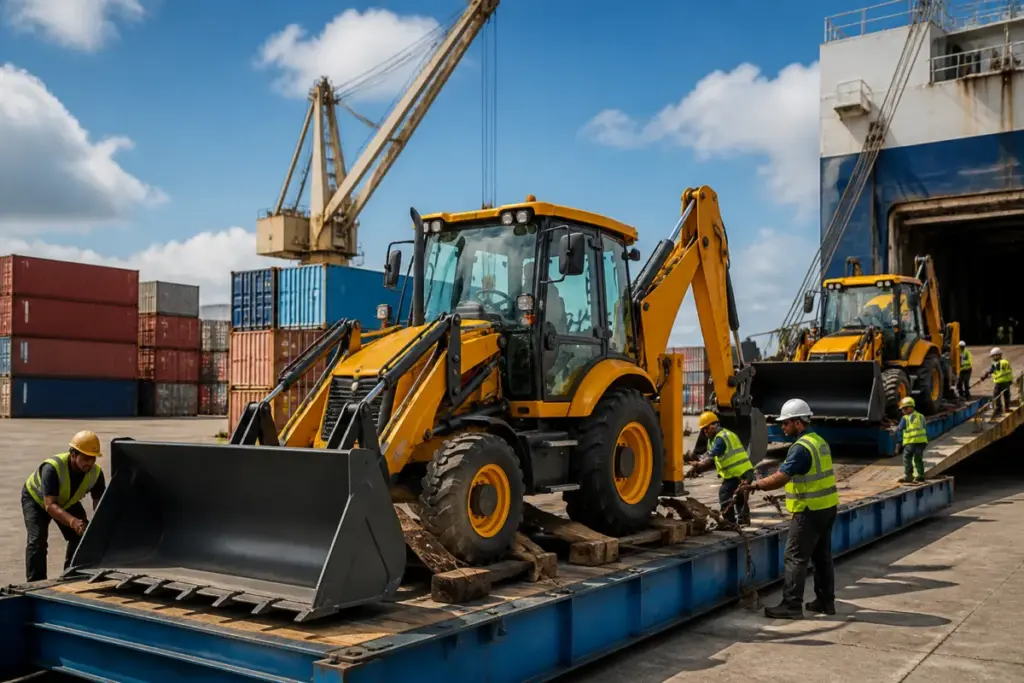
The agreement comes as bilateral trade remains relatively small. Trade fell about 11% to $1.15 billion in 2025-26 from $1.3 billion in the previous fiscal year. India’s exports stood at $566.51 million and imports at $589.1 million, producing a trade deficit of $22.59 million. The first export of a JCB machine from India to New Zealand was flagged off at the entry-into-force ceremony, with further product flag-offs planned for agriculture, gems and jewellery, engineering, sporting goods, footwear and leather.


