

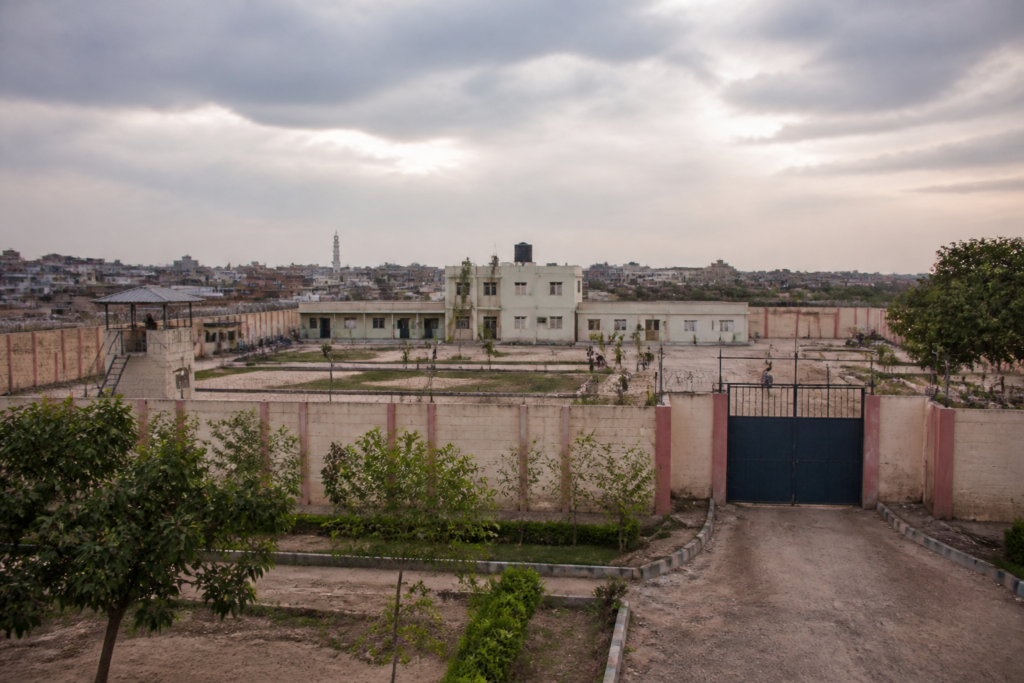
The Delhi High Court has questioned the prison authorities over delays in implementing the Supreme Court’s directions to establish and strengthen open and semi-open prison facilities in the Capital, warning that it could proceed against the Director-General of Prisons if the authorities fail to provide a satisfactory explanation.
A Bench comprising Acting Chief Justice Nitin Wasudeo Sambre and Justice Sanjay Sharma referred to the Supreme Court’s February 26, 2026 order, which directed States and Union Territories to address prison overcrowding, assess existing open correctional facilities, prepare time-bound plans to fill vacancies and constitute monitoring committees within three months.
The High Court said the timeline set by the Supreme Court had not been followed. “Not only is the calendar not adhered to, but even substantial time, or double the time prescribed in the order has expired. There are no positive developments in the matter,” the Bench observed.
The court directed the authorities to submit a flow chart detailing the progress made since the Supreme Court’s order. It said the explanation would be examined at the next hearing and warned that it could proceed against the Director-General of Prisons if the response was unsatisfactory. The matter has been listed for October 28, with the flow chart due on October 27.
Open and semi-open prisons are less restrictive correctional facilities available to eligible inmates. According to the Special Secretary (Home), who was present during the hearing, Delhi’s existing open prison facilities have a capacity of 10 inmates. Semi-open facilities can accommodate around 76 inmates, with Tihar Jail accounting for 40 places and Mandoli Jail for 36.
The officer told the court that 24 inmates were occupying the semi-open facilities at Tihar, while 26 were housed at Mandoli. He also said occupancy in Delhi’s open and semi-open prison facilities had increased to more than 50%, compared with the 6% occupancy noted by the Supreme Court earlier.
The court, however, raised broader concerns about prison administration and the manner in which privileges were being granted to some prisoners. It referred to observations made during a previous visit by a committee headed by a senior judge, constituted under the Supreme Court’s directions.
The Bench said some barracks housed only six prisoners who enjoyed such privileges, while other barracks housed 300 or more prisoners. It questioned the role of the prison administration and remarked that the Director-General of Prisons was a “mute spectator” to the situation, asking who would be held answerable.
The Special Secretary (Home) said the Delhi government and prison authorities had held meetings on the issue. The High Court’s next review will focus on the progress flow chart and the authorities’ explanation for the delay in implementing the Supreme Court’s directions.


