

The Brihanmumbai Municipal Corporation is preparing to raise between Rs 5,000 crore and Rs 10,000 crore through green municipal bonds, but the borrowing plan is shadowed by a material discrepancy in the reported size of its existing liabilities. The Indian Express report describes the liability in its headline, summary and most of its text as Rs 2.34 lakh crore, while one sentence refers to Rs 2.34 crore. The figure requires confirmation from the BMC before the proposed bond issue can be assessed accurately.
The proposed borrowing is significant because it would place Mumbai’s civic infrastructure programme more directly in the municipal debt market. The BMC has floated an expression of interest to appoint a debenture trustee for the proposed issue. A debenture trustee is an independent financial intermediary that represents bond investors and protects their interests during the life of a debt instrument.
The reported move comes after the civic body undertook a series of large infrastructure projects. According to the report, the BMC’s liabilities, described in most of the supplied material as Rs 2.34 lakh crore, are two and a half times its annual 2026-27 budget. The report also says the civic body recorded a Rs 3,544 crore loss in its financial reserves this year. These figures, if confirmed, would make the proposed bond issue part of a wider question about how India’s richest municipal corporation is financing long-term infrastructure while managing its balance sheet.
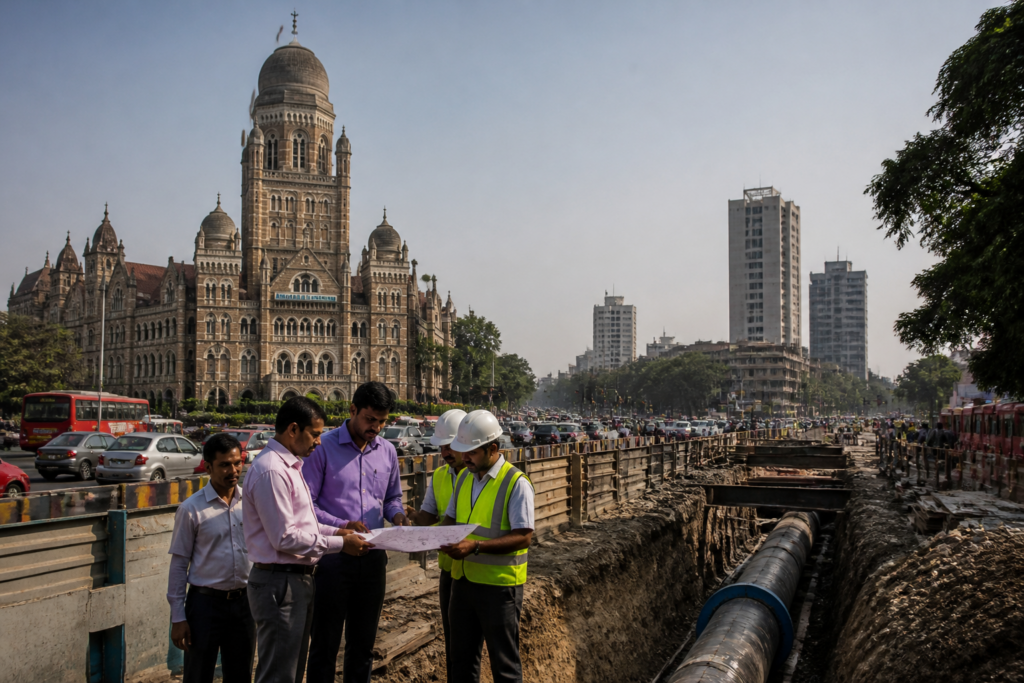
The bond proceeds are intended for projects linked to water and wastewater infrastructure. The BMC has identified wastewater treatment facilities planned for Dharavi, Versova, Bhandup, Ghatkopar, Bandra and Malad. The reported list also includes desalination plants, two water tunnel projects and the proposed Gargai dam. These projects span different parts of Mumbai’s urban water system, from treatment and supply to the creation of additional sources of water.
The proposed use of green bonds is important because such instruments are generally linked to projects with an environmental or climate-related purpose. In this case, the reported project list covers wastewater treatment, desalination and water-supply infrastructure. However, the supplied report does not provide the proposed allocation for each project, the environmental criteria that would apply, the expected interest rate or the repayment schedule. Those details will determine how the issue is structured and how investors assess it.
The BMC’s first institutional step is the appointment of a debenture trustee. The trustee would oversee the bond issue and represent investors after the securities are issued. An official quoted in the report said an agency had been finalised to manage the issuance process, investor money and liquidity security for 15 years. The wording in the report refers to this agency in connection with the bond process, but it does not clearly distinguish the proposed responsibilities of the debenture trustee, the credit-rating agency, the issuing banks and any liquidity-support provider. That institutional division will need to be clarified in the final issue documents.
Creditworthiness is another part of the preparation process. The BMC reportedly appointed a Securities and Exchange Board of India-registered agency in April to analyse its credit rating. The report says the civic body has since finalised an agency for studying its credit rating and the banks through which the bonds will be issued. A credit rating would give investors an assessment of the BMC’s ability to service its debt, but the supplied material does not state the rating, the agency’s name or the assumptions behind the assessment.
The Union Budget 2026-27 has also introduced a financial incentive relevant to municipal borrowing. According to the report, the Finance Minister announced a Rs 100 crore incentive for a single municipal bond issuance of Rs 1,000 crore. The supplied material does not explain whether the BMC’s proposed green bond issue would qualify, how the incentive would be distributed or whether the amount would be linked to a specific tranche. Those conditions could affect the final size and structure of the borrowing.
The BMC’s plan illustrates the changing financing demands of metropolitan infrastructure. Projects such as wastewater treatment facilities, desalination plants, water tunnels and dams require large upfront investment, while their benefits and operating costs extend over many years. Municipal bonds allow a civic body to raise capital from the market instead of relying only on annual budget allocations. They also create obligations that continue beyond the financial year in which a project is approved or construction begins.
That shift makes disclosure central to the process. Investors will need reliable information on the BMC’s liabilities, reserves, revenues, project costs, repayment capacity and the security attached to the bonds. Citizens, meanwhile, will need to know whether borrowed funds are tied to clearly identified projects and whether the infrastructure will improve public services. The supplied report does not provide the BMC’s complete debt statement, audited balance sheet, project-wise cost estimates or a schedule for issuing the bonds.
The liability discrepancy is therefore not a minor editorial detail. A difference between Rs 2.34 crore and Rs 2.34 lakh crore changes the meaning of the entire story. The latter figure would indicate liabilities on a scale far exceeding the annual budget described in the report, while the former would be comparatively small for a corporation of Mumbai’s size. Because the report consistently uses the lakh-crore figure elsewhere but does not provide a primary document, the BMC’s official financial records or the proposed bond documents should be checked before the amount is treated as established.
The immediate administrative milestones are the completion of the credit-rating exercise, the appointment of the debenture trustee and the finalisation of the issuing banks and bond structure. The BMC is also expected to define the projects eligible for financing and the mechanism for managing investors’ money and liquidity security. Until those documents are made available, the public record establishes the intention to raise funds through green municipal bonds, but not the final terms, rating, repayment structure or verified scale of existing liabilities.


