

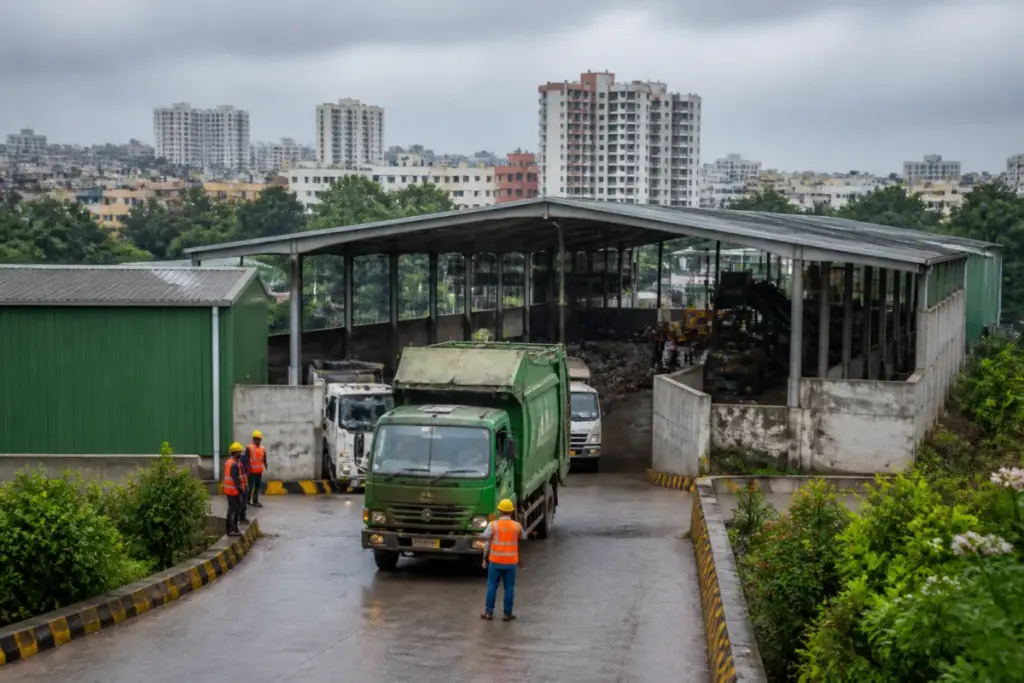
Bengaluru’s solid-waste tender process has come under political scrutiny after Karnataka Opposition Leader R. Ashoka alleged that the state government approved more than ₹350 crore in additional premiums despite objections from the Finance Department.
Ashoka shared Prajavani’s special report titled ‘Waste: ₹350 crore higher amount!’ on social media and questioned the approval of the tenders at a price 14% higher than the amount under consideration. He alleged that the decision reflected a failure of financial management by the state government.
According to the report shared by Ashoka, the Finance Department had raised serious objections and suggested that the tenders be reconsidered. Ashoka questioned why those objections were disregarded before the tenders were approved at the higher amount. His comments focused on the administrative process behind Bengaluru’s waste-management contracts rather than only on the final cost.
The allegations relate to contracts connected with the city’s solid-waste management system. Ashoka also referred to a ₹133-crore tender process for solid-waste transfer stations handled by the Bengaluru Solid Waste Management Limited, or BSWML. He alleged that there were suspicions of serious irregularities in that process.
The report does not establish that an investigation has confirmed wrongdoing, nor does the supplied material include a response from the state government, Deputy Chief Minister D.K. Shivakumar or BSWML to the allegations. Ashoka’s statements remain political allegations based on the tender figures and the objections he attributed to the Finance Department.
The dispute places Bengaluru’s waste contracts within a wider question of how municipal services are priced, reviewed and approved. Transfer stations form part of the chain through which collected waste is moved before further processing or disposal, making the tendering of these facilities relevant to the daily functioning of the city’s waste system. However, the supplied report does not provide details of the number of tenders, the contractors involved, the original estimated value, the revised contract value or the specific objections recorded by the Finance Department.
Ashoka also invoked the government’s public messaging on corruption while questioning the tender decisions. He referred to appeals asking citizens to report even small bribe demands and argued that those claims should be matched by scrutiny of large public contracts.
The immediate issue raised by the Opposition is whether the higher tender amounts were approved after a documented review of the Finance Department’s objections and whether the ₹133-crore transfer-station tender process followed the required procedures. The supplied report does not state whether the government has ordered a review, audit or inquiry. Further clarification from the state government, the Finance Department and BSWML will determine the official status of the allegations.


