

Bengaluru’s solid-waste management tenders have come under political scrutiny after Karnataka Opposition Leader R. Ashoka alleged that approvals for more than ₹350 crore in additional premium reflected a failure of financial management by the state government.
Ashoka shared Prajavani’s special report, titled ‘Waste: ₹350 crore higher amount!’, on social media and questioned why the tenders were approved at a premium of 14% despite objections from the Finance Department. According to the report, the department had raised serious concerns and advised that the tenders be reconsidered, but the approvals were still granted.
The allegation centres on tenders connected with Bengaluru’s waste-disposal system. Ashoka described the approval of the higher amount as evidence of what he called poor financial governance, asking what kind of administration would disregard objections from the state’s financial authorities.
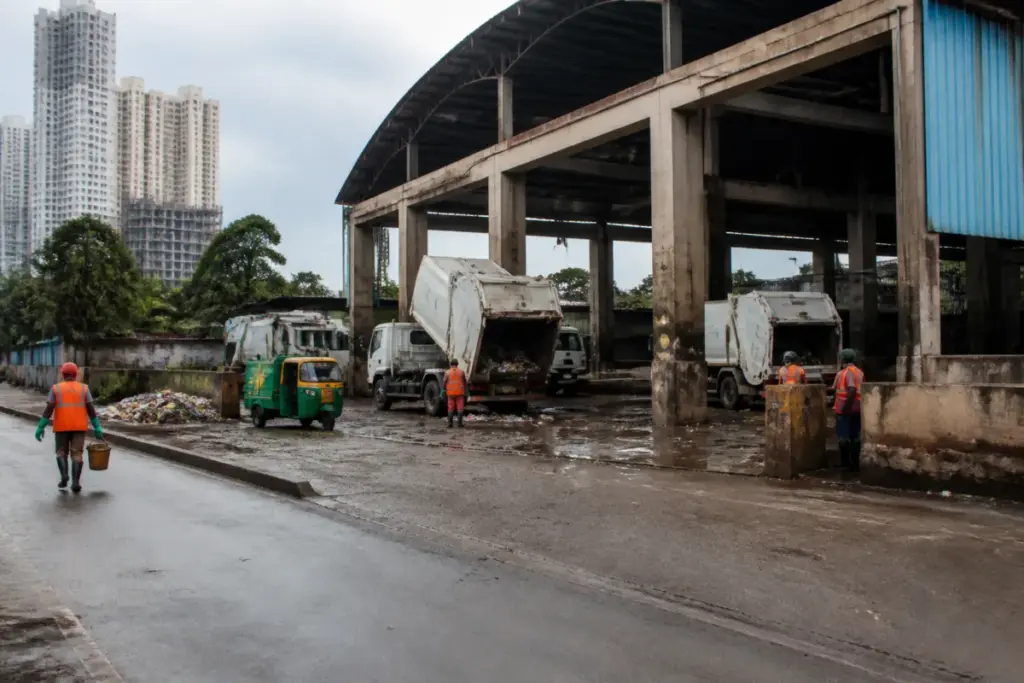
He also alleged suspected irregularities in the tender process for solid-waste transfer stations. The process, handled by the Bengaluru Solid Waste Management Limited (BSWML), involves tenders valued at ₹133 crore, according to the report. Ashoka alleged that serious irregularities may have occurred in the tendering process, but the supplied report does not provide details of the specific procedural violations he referred to.
The Opposition leader linked the allegations to the Congress government’s public messaging on corruption. Referring to Deputy Chief Minister D.K. Shivakumar’s appeal that citizens should call if officials demand even a ₹10 bribe, Ashoka questioned the state government over alleged irregularities in a major municipal waste-management tender under its administration.
The dispute places two separate financial and administrative questions before the government: whether the additional premium of more than ₹350 crore was approved after the Finance Department’s objections were properly addressed, and whether the ₹133 crore BSWML tender process complied with procurement rules. The supplied report does not include the government’s response, the Finance Department’s written objections, the tender documents, or an independent finding of wrongdoing.
For Bengaluru, the issue concerns more than a political exchange because solid-waste transfer stations form part of the operating chain through which collected waste is moved for further handling. Any dispute over their procurement affects public spending and the administration of a service used across the city. However, the available report establishes only that Ashoka has raised the allegations and that Prajavani previously reported the higher tender amount; it does not establish that financial misconduct or tender violations have been proved.
The next official step would be a response from the state government, the Finance Department or BSWML clarifying the basis for the approvals, the objections raised during scrutiny and the status of the ₹133 crore tender process.


