

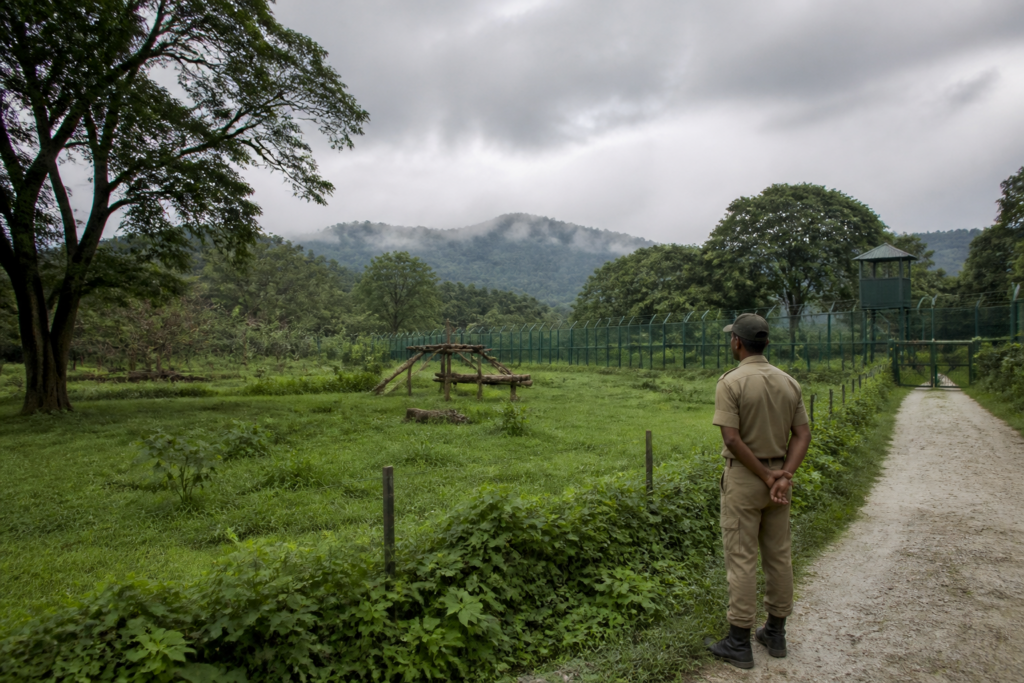
The reported deaths of seven animals at Bengal Safari Park between July and September have intensified concerns about how the facility manages wildlife healthcare, monitoring and daily operations. The deaths came after 20 animals reportedly died at the safari during the first six months of the year, creating a pattern that environmental groups say requires an independent review rather than isolated explanations.
According to a report by Sangbad Pratidin – Bengal, the deaths during the three-month period included a female blackbuck, a male lion, a female spectacled langur, a male wild dog, a male argus pheasant, a male Himalayan vulture and a female brow-antlered deer, also known as a sangai. The report said the deaths occurred between July 16 and August 15, while the overall period under review was July 1 to September 30.
The sequence began with the death of a female blackbuck on July 16. Two days later, a male lion and a female spectacled langur died on the same day. A male wild dog died on July 22, followed by the death of a male argus pheasant on July 27. In August, a male Himalayan vulture died on August 6 and a female brow-antlered deer died on August 15. The report also noted that only one blackbuck was born at the park during the same three-month period, on July 6.
The figures do not, by themselves, establish a common cause for the deaths. The supplied report does not provide post-mortem findings, veterinary assessments, disease reports, details of the animals’ ages or information on whether the deaths were linked to separate medical or environmental factors. That absence is central to the public-interest question: whether the park has a transparent and sufficiently detailed system for recording, investigating and communicating animal mortality.
### Why the mortality figures matter
A wildlife safari is not simply a visitor attraction. It is also a managed animal-care institution whose responsibilities include veterinary treatment, feeding, enclosure management, disease surveillance, safety and the maintenance of species-specific conditions. When several animals die within a limited period, the immediate issue is not only the number of deaths but also whether the institution can explain them through documented medical and operational records.
The reported figures place the July-September deaths in a wider annual context. Twenty animal deaths were reported between January and June, followed by seven more in the subsequent three months. The available material does not identify the causes of the earlier deaths or clarify whether the animals belonged to the same species groups. It therefore cannot support a conclusion that all 27 deaths were connected. It does, however, show why the cumulative figure has become a matter of concern for local environmental organisations.
The species named in the latest report also underline the range of care required at the park. A lion, a blackbuck, a spectacled langur, a wild dog, a Himalayan vulture, an argus pheasant and a brow-antlered deer have different dietary, veterinary and habitat needs. The report identifies some of the animals as rare or specially protected species, including the brow-antlered deer and animals listed under Schedule I. That makes accurate mortality reporting and species-specific medical documentation particularly important.
The park’s public role adds another layer of accountability. Visitors encounter the facility as a government-managed or publicly administered urban and regional attraction, but the animals held there cannot communicate their condition or care requirements. The institution must therefore rely on trained staff, veterinary capacity, regular observation and formal records. If information about deaths is not made available, outsiders cannot assess whether the problem relates to disease, injury, age, nutrition, enclosure conditions, transport, stress or other factors.
### The accountability gap
The report said local environmental groups criticised the park’s healthcare arrangements, feeding practices and security after the deaths. Kaustav Chowdhury, secretary of Solitary Nature and Animal Protection, described the sequence as alarming and said it indicated possible major deficiencies in healthcare, surveillance and management. He called for an impartial investigation and a rapid reassessment of medical infrastructure.
Those are allegations and demands, not established findings. The supplied report does not contain an investigation report, a veterinary audit or an official explanation of the causes. It also does not state whether any internal inquiry has begun, whether post-mortem examinations were conducted or whether the relevant wildlife authorities have reviewed the deaths. These missing details prevent a definitive assessment of the park’s performance.
The park’s response is nevertheless significant. When questioned by the newspaper, director Vijay Kumar did not wish to comment. A refusal to comment does not prove wrongdoing, but it leaves the central questions unanswered: what caused each death, what preventive steps were taken after the earlier deaths, and whether the July-August cases were examined as a pattern rather than as separate incidents.
For a wildlife facility, communication is part of institutional management. A timely public account does not require premature disclosure of uncertain findings. It does require the authority to distinguish confirmed causes from pending tests, identify the agency responsible for the investigation and state what immediate safeguards are in place. Without that information, public debate is likely to be shaped by cumulative figures and suspicion rather than verifiable evidence.
### What the available evidence confirms
The supplied report confirms a chronology of seven deaths during the July-September period and identifies the animals and dates associated with seven cases. It also reports 20 deaths between January and June and one blackbuck birth between July and September. These are the key quantitative facts currently available in the material.
The report does not provide a denominator. It does not state the total number of animals housed at Bengal Safari Park, the number of animals in each species, the normal mortality rate for the facility or the age profile of the animals that died. Without those figures, a comparison with expected mortality is not possible. A raw count can signal a problem, but it cannot independently determine whether the mortality level is abnormal for a particular population.
There is also no information in the supplied material about the park’s veterinary staffing, laboratory access, medicines, quarantine facilities, food procurement or enclosure design. Environmental groups have raised questions about these areas, but the report does not document specific failures. The distinction matters because the credibility of any future inquiry will depend on evidence such as medical records, post-mortem reports, feeding logs, surveillance records and maintenance documents.
The timeline does show why a review would need to examine the full year rather than only the latest seven deaths. The January-June figure establishes an earlier period of mortality, while the July-August cases indicate that deaths continued afterwards. Whether that reflects a persistent management issue, unrelated medical events or a combination of factors cannot be established from the report alone.
### The larger urban and institutional question
Bengal Safari Park sits within a wider system of public wildlife management, tourism and regional urban development. Facilities of this kind attract visitors, support local economic activity and shape how people encounter wildlife. Their success, however, depends on more than visitor numbers or the presence of rare species. It depends on whether the institution can provide consistent care and demonstrate that its decisions are based on documented veterinary and ecological practice.
The reported deaths therefore raise a governance question that extends beyond this single park: how should public animal facilities disclose mortality, investigate clusters and reassure citizens without compromising ongoing medical procedures? The answer requires more than a statement that animals died. It requires a transparent record of species, dates, causes where confirmed, pending investigations and corrective measures.
On the evidence supplied, the deaths and the cumulative figures are established as reported events, while the claims of healthcare or management failure remain concerns raised by an environmental organisation. The most important unresolved issue is the absence of a detailed official account. Until the park or the relevant authority publishes medical findings and explains the steps taken after the deaths, the public cannot determine whether the pattern reflects operational failures, separate natural or medical causes, or both.


