

Karnataka will allow authorised third-party agencies to conduct selected regulatory inspections, audits and certifications in departments facing shortages of field staff, as the state government moves to clear backlogs and improve compliance monitoring. Statutory enforcement powers, including collecting samples, seizing products and initiating prosecution, will remain with government officials.
The decision follows a recommendation from the Karnataka Administrative Reforms Commission-2 (KARC-2). The state has directed the labour, health and family welfare, and food, civil supplies and consumer affairs departments to identify inspections, verifications and certifications that can be outsourced or supported by authorised agencies.
The Prajaseva department has issued an order asking the departments to prepare time-bound action plans for implementing the system. These plans must outline empanelment procedures, eligibility criteria and measures for speeding up the process.
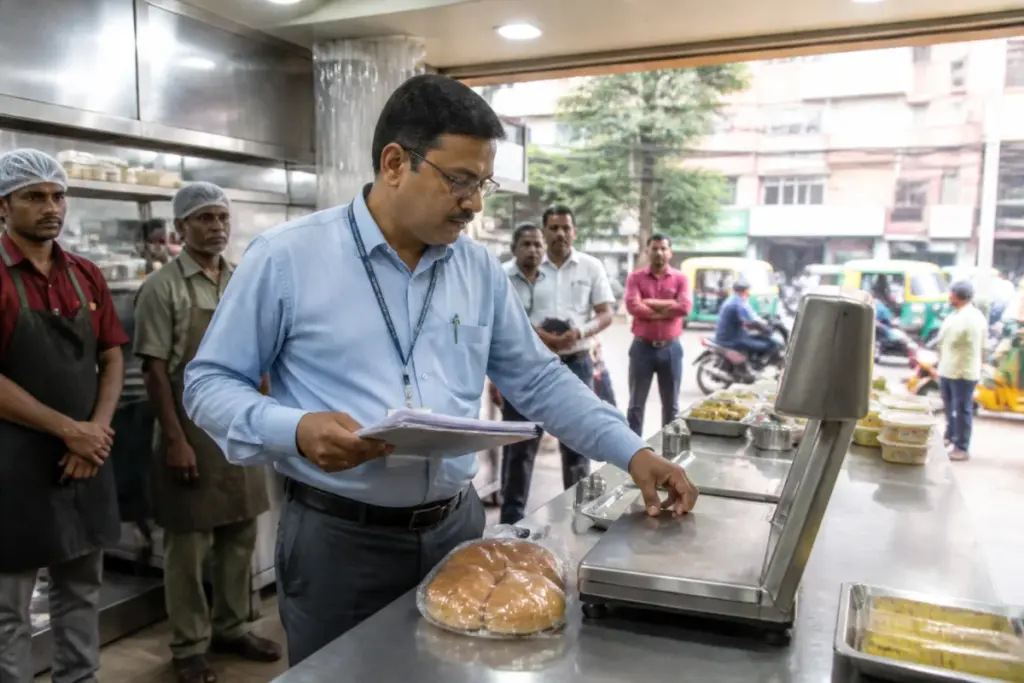
The arrangement will initially focus on functions where staff shortages have delayed routine inspections. These include annual inspection and stamping of weighing and measuring instruments by the legal metrology department; inspections of food establishments, restaurants, medical stores and pharmacies by the food safety and drugs administration department; and industrial boiler safety inspections and annual certification by the department of factories and boilers.
Under the proposed system, third-party agencies will submit inspection reports and audit findings to the relevant departments. Officials will use these reports to identify high-risk establishments and direct enforcement attention towards them. The move is intended to separate routine inspection and certification work from statutory enforcement, which will continue to be handled by government authorities.
The government has also set out accountability measures for the agencies. Departmental officials will conduct random spot checks to assess the accuracy of inspection reports. Agencies found responsible for negligence, irregularities or other lapses may face stringent action, including blacklisting.
The decision comes as departments attempt to maintain regulatory coverage despite shortages in their field workforce. Delays in routine inspections can affect the monitoring of establishments ranging from restaurants and pharmacies to factories and businesses using weighing and measuring equipment.
The departments have been asked to submit their time-bound action plans, after which the proposal will be reviewed at the KDP progress review meeting chaired by the chief secretary. The review is expected to examine how agencies will be selected, what work they may undertake and how government officials will retain oversight of enforcement.


