

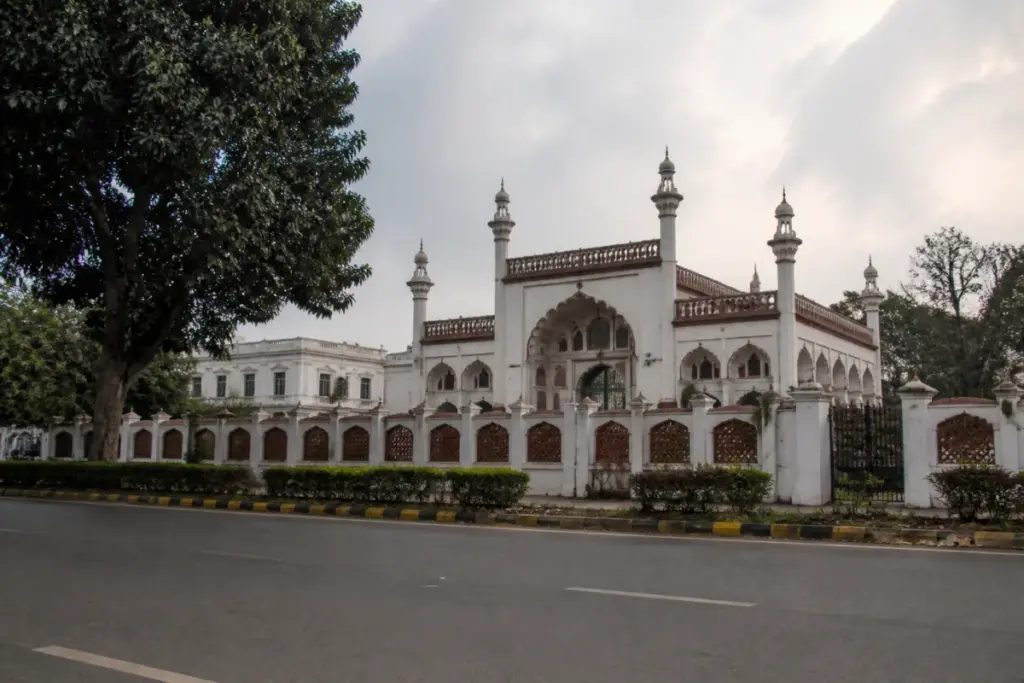
A reported eviction notice involving Delhi’s historic Race Course Mosque has triggered a demand for urgent intervention from Union Minority Affairs Minister Kiren Rijiju, with AIMIM president Asaduddin Owaisi alleging that institutional inaction left the property without effective protection.
Owaisi raised the issue on Tuesday in a post on X, according to a report by Deccan Chronicle. He said the matter required the Union minister’s intervention because the Delhi Waqf Board has not been constituted since 2023. The report does not provide the date or issuing authority of the eviction notice, nor does it include a response from the Union ministry, the Delhi government or the agency responsible for the reported order.
Owaisi said the Race Course Mosque had been a gazetted waqf property since 1977. He alleged that the Delhi Waqf Board had neither challenged a demolition order nor taken steps to resolve the dispute. He further argued that the board’s chief executive officer could have intervened but did not do so.
The dispute therefore centres not only on the reported notice but also on the administrative question of who is responsible for acting when a waqf board is not functioning. Owaisi said the absence of a constituted board since 2023 had created a gap in institutional oversight. The report does not establish whether any interim authority has formally assumed the board’s responsibilities in this case.
Owaisi also referred to protections under the Waqf Amendment Act. He claimed that the mosque was protected as a “waqf by user” and that properties registered in the past continued to receive protection under the legislation. These are claims made by Owaisi in his public statement; the report does not reproduce the relevant legal provisions or provide an independent legal assessment of their application to the Race Course Mosque.
For urban governance, the immediate significance of the case lies in the link between land administration and institutional continuity. A property’s status on official records may not by itself resolve a dispute if the body responsible for defending or managing that status is absent, inactive or unable to respond. The available report, however, does not establish the ownership history of the site, the precise nature of the demolition order or the current legal status of the proceedings.
The next public developments will depend on whether the Union Minority Affairs Ministry, the Delhi administration, the relevant land-owning authority or any court addresses the reported notice. No response from those institutions was included in the report available for this story.


