

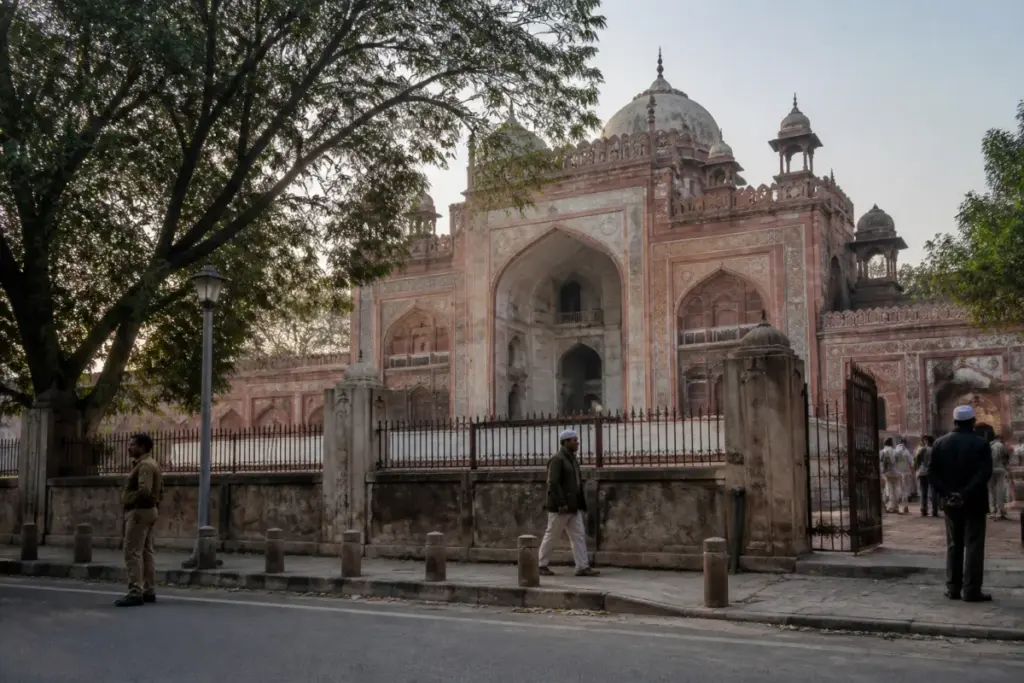
The reported eviction threat to Delhi’s historic Race Course Mosque has triggered concern over the protection of religious and heritage properties in the capital, with Kashmir’s chief cleric Mirwaiz Umar Farooq questioning both the notice and the response of waqf authorities.
In a post on X on Tuesday, October 20, Mirwaiz said the mosque was facing eviction within six days. He described the Race Course Mosque as a gazetted waqf property since 1977 and a listed heritage site. The Hindu reported the statement through PTI. The supplied report does not include the eviction notice itself or a response from the authorities named in the statement.
“Deeply disturbing that Delhi’s historic Race Course Mosque, a gazetted Waqf property since 1977 and a listed heritage site, faces eviction within six days,” the Mirwaiz said. He also described the reported failure of waqf authorities to defend the property as alarming.
The statement places the reported notice within a wider question over how legally recognised religious endowments and heritage structures are protected when they face action by public agencies or other authorities. The mosque’s reported status as both a waqf property and a heritage site means that any action affecting it could involve questions of ownership, land administration, heritage regulation and procedural safeguards.
Mirwaiz also linked the issue to recent concerns over government control of Muslim religious endowments. He said the reported situation raised questions about whether the existing institutional arrangements provide adequate protection for other Muslim places of worship. His remarks were framed as criticism of waqf authorities and of amendments that, he said, increased government control through appointed nominees over Muslim religious endowments.
The reported six-day timeline gives the matter immediate significance, although the supplied material does not specify the issuing authority, the legal basis of the notice, the proposed use of the land or whether demolition or physical eviction proceedings have formally begun. It also does not state whether the mosque’s heritage listing has been cited in any official communication.
For Delhi’s built environment, the case highlights the administrative complexity surrounding properties that carry overlapping religious, legal and heritage designations. Such sites are not only places of worship but also part of the city’s historical landscape, making decisions about their use or removal relevant to urban governance and conservation.
The next developments will depend on the contents of the reported notice, any response from waqf authorities and the position of the agency or department that allegedly issued it. No official clarification from those authorities was included in the supplied report.


