

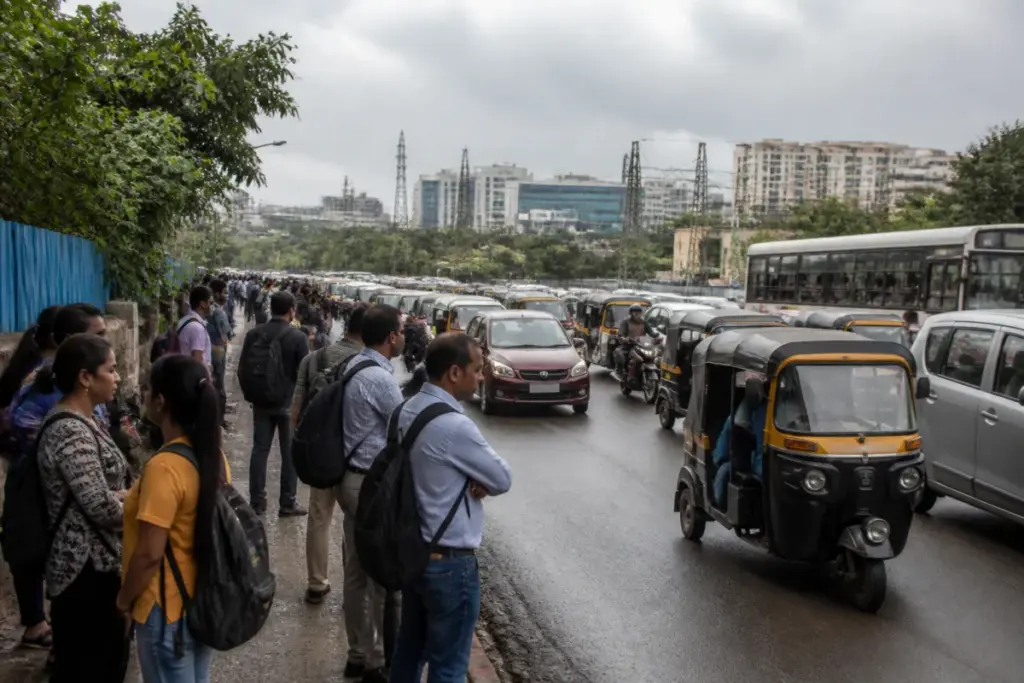
Pune’s bike taxi ban has left office workers, students and other commuters facing higher fares and fewer travel options, according to a report by Civic Mirror. The Regional Transport Authority (RTA) issued orders stopping bike-taxi services in the city after opposition from auto-rickshaw unions and warnings of protests.
The decision affects passengers who had been using bike taxis to travel more quickly and at a lower cost, particularly during peak traffic hours. Commuters working in the information technology hubs of Hinjewadi, Wakad and Kharadi were among the regular users of the service, while college students also relied on it to manage monthly travel expenses.
The ban comes against the backdrop of Pune’s growing traffic congestion, pressure on public transport and long daily commute times. With bike taxis no longer available, passengers are being pushed towards auto-rickshaws and app-based cabs, services that commuters quoted in the report said could involve higher fares, rejected rides and last-minute demands for additional payment.
Amit Deshpande, an IT employee from Hinjewadi, said bike taxis had been an affordable and time-saving option for reaching work during the morning rush. He alleged that auto-rickshaw drivers were now demanding arbitrary fares and that cab drivers sometimes cancelled rides or asked for more money after a booking had been made.
Snehal Kulkarni, a resident of Kothrud, said bike taxis had enabled her to travel at a lower cost. She said commuters expected auto-rickshaw operators to improve service and charge fares according to the meter. She also raised concerns about the limited options available to women travelling at night after the ban.
Students are also reporting pressure on their budgets. Akshay Mohite, a student at Savitribai Phule Pune University, said the combination of Pune Mahanagar Parivahan Mahamandal Limited bus schedules and auto-rickshaw fares required students to plan their journeys carefully. He said bike taxis had helped students travel at a lower cost and manage monthly expenses.
The report said commuters had complained of auto-rickshaw drivers refusing trips, demanding higher fares and app-based cab rides being cancelled. These concerns have increased dependence on the remaining formal and informal transport options, particularly for passengers travelling to employment centres that are not always directly served by public buses.
The RTA’s decision also brings the regulatory status of bike taxis into focus. While passengers are seeking affordable, safe and reliable transport, authorities must consider the legal and regulatory conditions governing such services. The commuters quoted in the report have called for a reconsideration of the ban and for a transport solution that takes their needs into account.


