

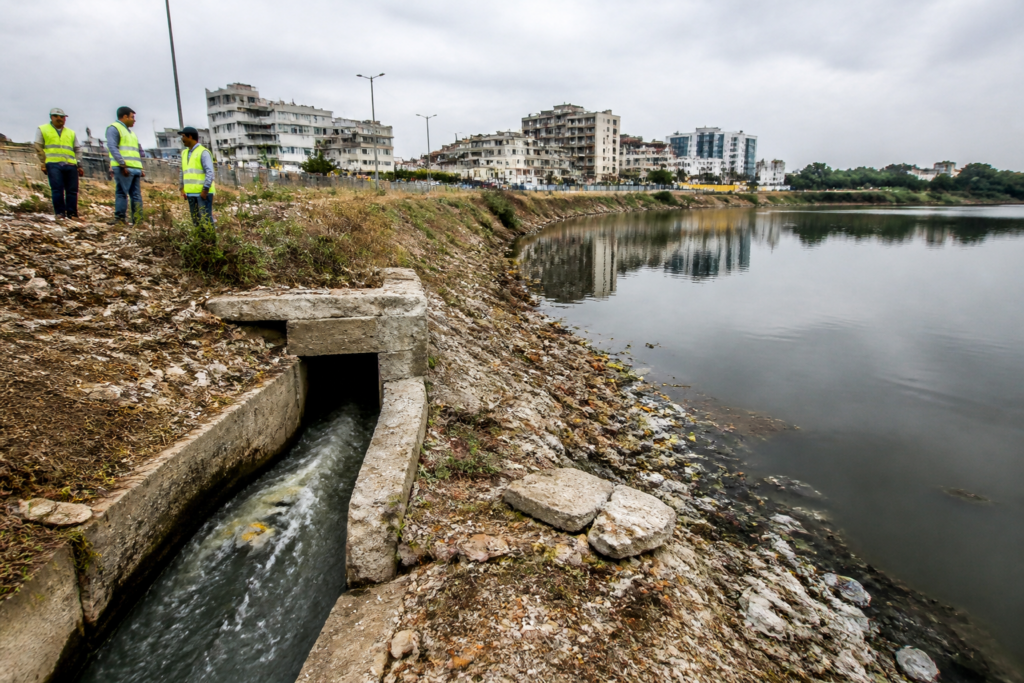
Yele Mallappa Shetty Lake in Bengaluru is facing continued pollution from untreated sewage, solid waste dumping, construction debris and open burning, prompting the Karnataka State Pollution Control Board (KSPCB) to direct civic agencies to fix missing sewer connections and strengthen enforcement.
The KSPCB documented the violations and action taken by authorities in an affidavit filed before the National Green Tribunal (NGT), which is examining pollution concerns around the lake. The Board said it would continue monthly water-quality monitoring, verify reports submitted by local bodies and file a further status report before the tribunal.
The NGT took suo motu cognisance of the issue after a Bangalore Mirror report dated January 9, 2024, highlighted how the waterbody had become a dumping ground for construction and demolition waste and faced encroachment threats. The latest affidavit identifies untreated sewage entering the lake through stormwater drains and open channels as one of the main concerns.
During a recent inspection, KSPCB found that a stormwater drain passing through Medahalli was carrying sewage into the lake. The outlet of Seegehalli Lake also joins this drain, creating a connected pollution pathway into Yele Mallappa Shetty Lake. The Board also recorded municipal solid waste and construction and demolition debris along the lake bund and the service road adjoining Old Madras Road.
KSPCB has issued a notice to the Bangalore Water Supply and Sewerage Board (BWSSB), directing it to conduct a comprehensive survey of upstream areas to identify missing underground drainage links and unconnected sewer stretches. BWSSB has also been asked to prioritise pending underground drainage connections, provide sewage treatment facilities and ensure that households and small commercial establishments are connected to the sewer network.
The directions place the sewage problem within a wider infrastructure gap: stormwater drains are carrying wastewater where underground sewer connections are incomplete or absent. The Board’s instructions require authorities to address the network itself, rather than relying only on periodic clean-up or lake-edge enforcement.
KSPCB has also asked the authorities concerned to prevent further dumping and open burning, enforce solid waste management rules, address encroachments and strengthen monitoring around the lake. These measures cover both the direct sources of pollution and the land-use pressures affecting the waterbody’s bund, service road and catchment.
The planning authority has been asked to ensure that new buildings in the lake’s catchment secure underground drainage connections before receiving occupancy certificates, wherever applicable. This requirement links future construction approvals to the availability of basic wastewater infrastructure and places an implementation responsibility on planning and civic agencies.
The Board’s monthly water-quality monitoring and verification of local-body action will now form part of the continuing proceedings before the NGT. KSPCB is expected to submit another status report after reviewing the steps taken on sewer connectivity, waste control, encroachment removal and pollution monitoring.


