

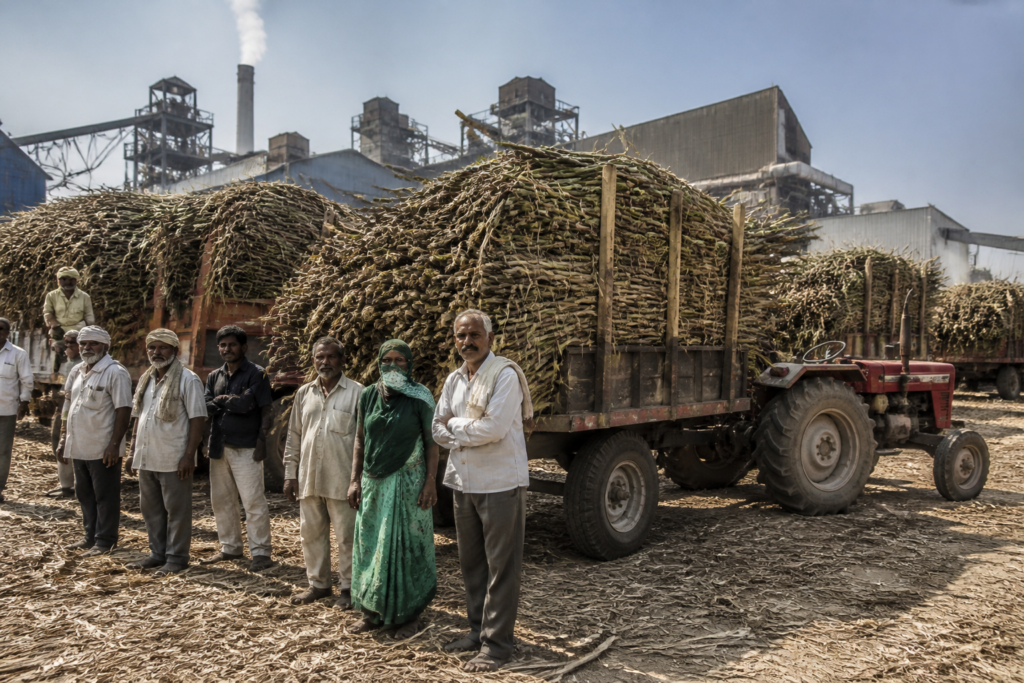
A fresh standoff over sugarcane prices and the timing of the crushing season has emerged in western Maharashtra, with Swabhimani Shetkari Sanghatana president Raju Shetti urging cooperative sugar factories to suspend operations while the National Federation of Cooperative Sugar Factories has opposed a delay that could hurt farmers and drought-hit cane cutters.
Shetti intensified his agitation on Thursday by visiting the Krishna sugar factory in Karad, Kranti in Kundal, Sonhira in Kadegaon and Hutatma near Ashta. He led protests outside the factory gates after blocking the Mumbai-Bangalore national highway for 31 hours on Wednesday.
Shetti is demanding a payment of Rs5,000 per tonne for sugarcane. He said this would be feasible only if the minimum selling price of sugar was increased to Rs50 per kg and the procurement price of ethanol was fixed at Rs70 per litre. He has asked mills to stop crushing until a decision is taken on these demands.
According to Shetti, factories began crushing under government pressure despite knowing that processing immature cane could cause losses to both farmers and mills. “The mills did not speak up when the government kept the sugar MSP unchanged. We want the mills to keep crushing suspended until a decision is made,” he said.
The demand has exposed a conflict between the price received for processed sugar and the immediate condition of standing cane in drought-affected areas. Mill officials said cane cutters from Marathwada had already arrived for the season and would be adversely affected if harvesting and crushing were halted. Marathwada is among the regions identified in the report as being severely affected by drought.
Shetti said harvested cane could still be transported to factories to prevent losses to farmers, but maintained that crushing operations should stop at midnight on Thursday. The proposal would therefore separate harvesting and delivery from the actual processing of cane, although the report does not provide details on how mills would manage the resulting operational arrangements.
Harshvardhan Patil, president of the National Federation of Cooperative Sugar Factories and a senior Congress member, said he supported the demand for a higher sugar minimum selling price but opposed delaying the crushing season. He said the standing crop was withering because of water shortages and that farmers would face losses if it was not harvested and sent to factories.
Patil also said cane cutters from Marathwada would lose income if they were prevented from cutting the crop, adding to the difficulties caused by drought. His position reflects the multiple groups dependent on the crushing cycle: farmers seeking better returns, mills managing processing economics and migrant workers whose earnings depend on harvesting operations.
Patil said the sugar minimum selling price had not been increased for more than eight years. The National Federation of Cooperative Sugar Factories, along with organisations including the Vasantdada Sugar Institute, has written to the Centre seeking an increase. He said the organisations were hoping for a positive decision in the next few days.
The Centre has constituted a committee headed by agricultural economist Ramesh Chand to examine demands from representatives of sugarcane-growing states. The committee’s consideration of the pricing demands and the government’s response will determine the next formal step in the dispute, while mills and farmers face an immediate decision over whether crushing operations should continue.


