

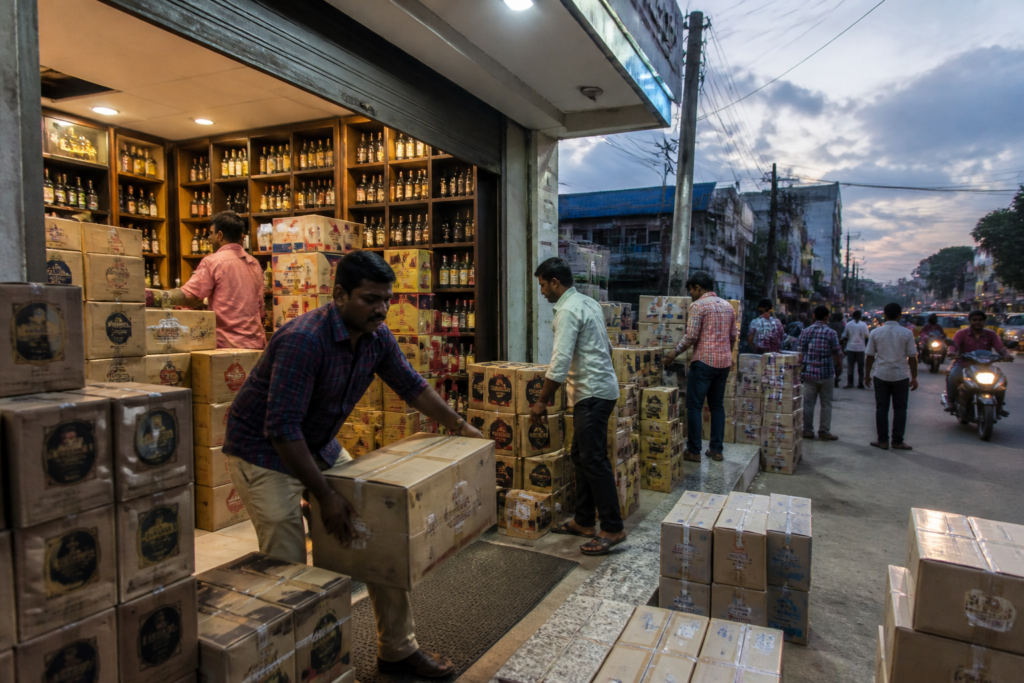
Telangana’s excise department has instructed depots and liquor outlets across the state to maintain adequate stocks of Indian-made foreign liquor (IMFL) and beer as Dasara demand is expected to push seasonal sales beyond ₹1,000 crore again.
The department’s preparation follows a sharp rise in liquor stock movement during the festival period in 2025. In the four days before Dasara, from September 28 to October 1, outlets lifted more than ₹1,000 crore worth of liquor from government depots, according to the report published by the Times of India.
The stock movement reached its highest level on October 1, when outlets procured liquor worth ₹320 crore. The previous day, procurement stood at ₹301 crore. Together, the two days accounted for ₹621 crore in stock movement, highlighting the pressure placed on the state’s distribution network immediately before the festival and ahead of the closure of liquor shops on Gandhi Jayanti on October 2.
The increase was also visible in Telangana’s monthly sales figures. The state recorded liquor sales worth ₹3,048 crore in September 2025, a 7% rise from ₹2,838 crore in September 2024. Between September 29 and October 1 last year, liquor worth ₹697.2 crore was sold or supplied through the distribution network.
Excise officials attributed the seasonal rise to increased consumption during family gatherings and the movement of people from cities to their native towns and villages for Dasara. Demand for both beer and IMFL generally rises during the festival period, requiring outlets to procure supplies ahead of the expected rush.
The recent pattern has made Dasara one of the most important periods for Telangana’s liquor trade. Sales reached ₹1,057 crore during the nine-day Dasara festivities in 2023. The figure increased to around ₹1,100 crore during the 10-day festival period in 2024.
The department’s stocking instructions show how festival demand is managed through the state’s excise distribution system. Government depots and retail outlets must build up inventory before peak buying days, particularly when a scheduled closure is expected to compress demand into a shorter period. The figures from 2025 indicate that procurement can rise sharply over consecutive days rather than being distributed evenly across the festival window.
For the state administration, the Dasara surge also represents a substantial seasonal revenue opportunity. For retailers and depots, however, the period requires advance planning to ensure that supply keeps pace with demand across cities, towns and villages. The department is now preparing for another high-revenue festival season, with festive buying expected to gather momentum over the next few days.


