

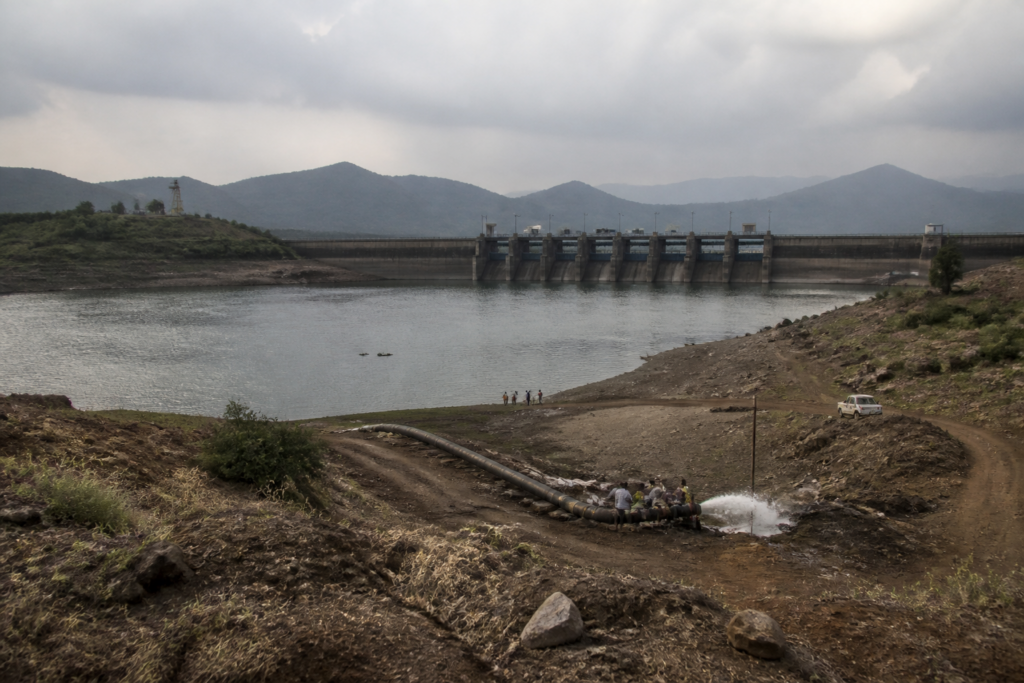
Pune district administration is considering a 20% reduction in water use from the Khadakwasla dam system and a 10% reduction from Pavana dam to conserve supplies until the next monsoon, District Collector Jitendra Dudi said on Thursday.
The proposal is being reviewed in coordination with the irrigation department, municipal corporations and the Zilla Parishad. Officials are assessing available water stocks, consumption requirements and the possible effect of the India Meteorological Department’s forecast and El Niño conditions, Dudi said at a press conference at the Pune Collectorate.
The Khadakwasla dam system currently holds around 88% water stock, while Pavana dam has approximately 95%, according to the Collector. Despite these levels, the administration is examining consumption controls to ensure that supplies last through the period before the next monsoon.
The proposed reductions could affect water planning for Pune’s urban areas as well as irrigation requirements in the district. The administration has not announced a final implementation date or detailed operating schedule for the reductions. The decision will follow the ongoing review of water availability and demand, according to Dudi.
The district is also completing crop damage assessments in 10 drought-affected talukas. Around 80% of the panchnamas, or crop damage assessments, have been completed, and the remaining work is expected to be finished by Sunday. Officials are visiting farms to assess the extent of losses and will submit the details to facilitate financial assistance for eligible farmers before Diwali.
Farmers who have complaints about the assessment process have been asked to approach their respective tehsildars. The administration said the assessment details would be submitted at the earliest so that assistance could be processed for affected farmers.
For the Rabi season, irrigation rotations will prioritise crops needed for animal fodder, followed by vegetables and perennial crops, Dudi said. The administration is also deploying tankers in areas facing water shortages. Eight tankers are currently operating across the district, including four in Baramati taluka, three in Indapur and one in Daund.
The administration’s next steps are to complete the remaining crop damage assessments, finalise the water-use plan after reviewing supplies and demand, and organise Rabi irrigation rotations and tanker deployment in shortage-affected areas.


