

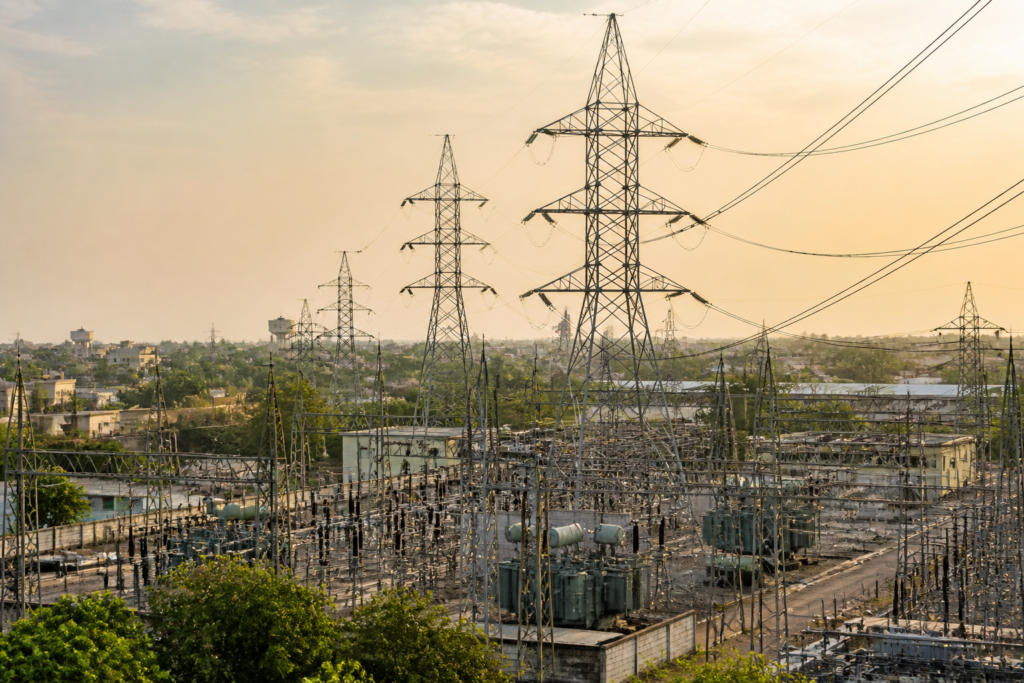
Congress MP Karti Chidambaram has demanded a white paper on the financial position of Tamil Nadu’s electricity board and the State’s reported purchase of power from other States at high prices, putting scrutiny on how the electricity department manages procurement and expenditure.
Speaking to reporters in Chennai on Thursday, Chidambaram said the department should explain why power was purchased at higher rates and what circumstances made those purchases necessary. He also asked the Tamil Nadu government to publish a document on the electricity board’s finances, similar to the white paper previously released on the State’s overall financial position.
The demand comes without details in the report on the volume of electricity purchased, the identity of the supplying States, the rates involved or the period during which the purchases took place. Chidambaram’s remarks therefore raise questions about procurement decisions, but do not independently establish that the purchases were irregular or that the electricity board incurred a specific loss.
A white paper, if issued, could clarify the electricity board’s financial position and the operational reasons behind external power purchases. It could also set out whether the purchases were made to address a shortfall, meet demand during a particular period or respond to other circumstances. The report does not state whether the power department has accepted the demand or indicated that such a document will be prepared.
For electricity consumers, the issue is significant because power procurement is linked to the cost and reliability of supply. However, the supplied report contains no information on any effect on tariffs, consumer bills or service levels. It also does not provide the board’s current debt, revenue, procurement or subsidy figures, making it impossible to assess the financial impact of the purchases from the available information.
Chidambaram’s request places the electricity board’s finances within a wider debate over public disclosure in State administration. The key institutional question is whether procurement decisions can be adequately examined through existing budget documents and regulatory processes, or whether the government should publish a consolidated account explaining the board’s finances and purchasing choices.
The Congress MP also spoke about political cooperation between parties, the Special Intensive Revision of electoral rolls and relations between Tamil Nadu and neighbouring States. He said competition for industrial investment should not be confused with hostility between States and defended Chief Minister C. Joseph Vijay’s visit to Andhra Pradesh at the invitation of its Chief Minister.
On the electoral-roll exercise, Chidambaram criticised what he described as irregularities involving Forms 6 and 7. He said 18-year-olds should be able to register as voters without being questioned about whether their parents or grandparents had voted, and questioned the submission of large numbers of Form 7 applications by a single individual. He also alleged that the Chief Election Commissioner was taking unilateral decisions rather than decisions collectively made by the Election Commission.
The immediate next step on the power issue would be a response from Tamil Nadu’s power department or the State government on whether it will publish the requested white paper and provide details of the reported purchases.


