

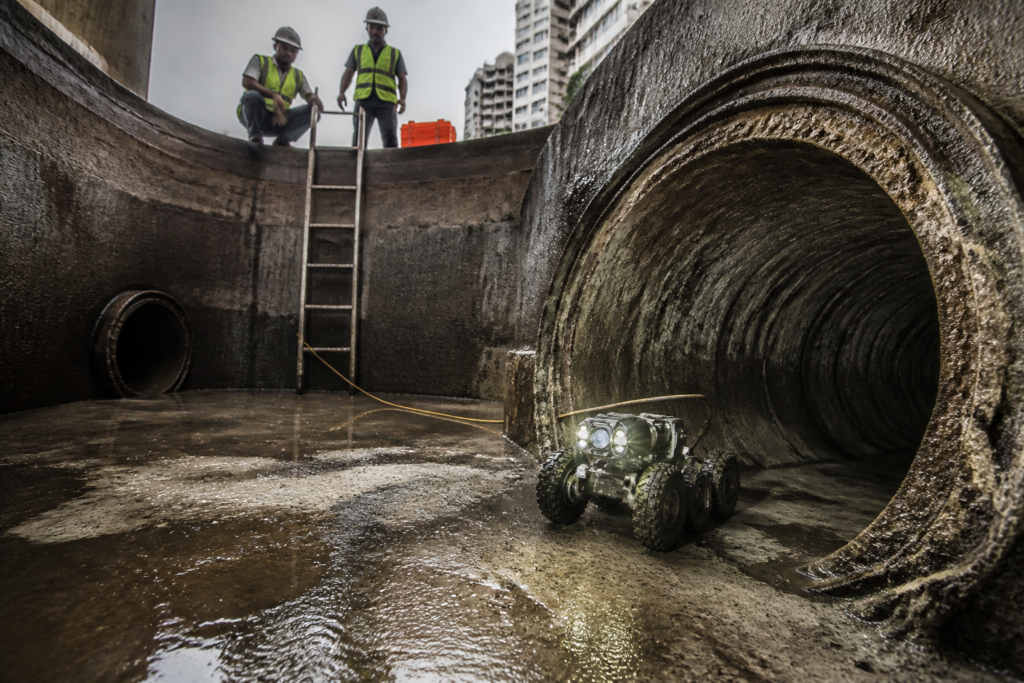
Pune Municipal Corporation’s robotic inspection of water pipelines has identified defects, unauthorised connections and possible sewage contamination at hundreds of locations, with the civic body claiming that repairs have already saved 742,365 litres of water a day.
The inspection was conducted by the PMC water supply department between 6 April and 23 July using high-capacity robotic cameras inserted into main pipelines measuring between 75 mm and 1,200 mm in diameter. The cameras were used at 322 locations across the city’s water distribution network.
According to the findings released by the civic body, 99 joint defects were found, along with four unauthorised connections, four major pipeline bursts and six sections where deposits of silt and salts had narrowed the internal water passage. The PMC said these defects were contributing to the loss of treated water through leaks and damaged infrastructure.
The inspection also recorded 84 locations where pipelines were obstructed by silt and accumulated waste. At 67 locations, the report identified instances in which sewage and other contaminated water were entering drinking-water pipelines, raising a public-health concern for areas served by the affected network.
The PMC has said that repairs carried out after the inspection are saving 742,365 litres of water every day. The report also cites older municipal estimates that about 32% of the city’s total water supply is classified as non-revenue water, which includes water lost through leakage, pipeline bursts and unauthorised use. The source report estimates this annual loss at about six thousand million cubic feet, or six TMC.
The findings have emerged as Pune residents face scheduled water restrictions, including a weekly supply shutdown, amid concerns over dry conditions and water availability. The city receives water from the Khadakwasla, Pavana and Bhama Askhed reservoirs, with 16.36 TMC allocated for Pune, while the population has grown substantially since 2017, according to figures cited in the report.
A senior official from the PMC water supply department said many underground pipelines were several decades old and had deteriorated because of corrosion. The official described the robotic inspection as a pilot exercise and said the department would conduct the campaign across the city to identify and address further leakage.
The civic body has also asked residents to report visible pipeline leaks. It said inspections would be conducted at commercial establishments, swimming pools, vehicle-washing centres and gardens to check whether treated water was being used, while action would be taken against housing societies that had not operationalised their sewage treatment plants. The next step announced by the PMC is an expansion of robotic inspection and repair work across the wider pipeline network.


