

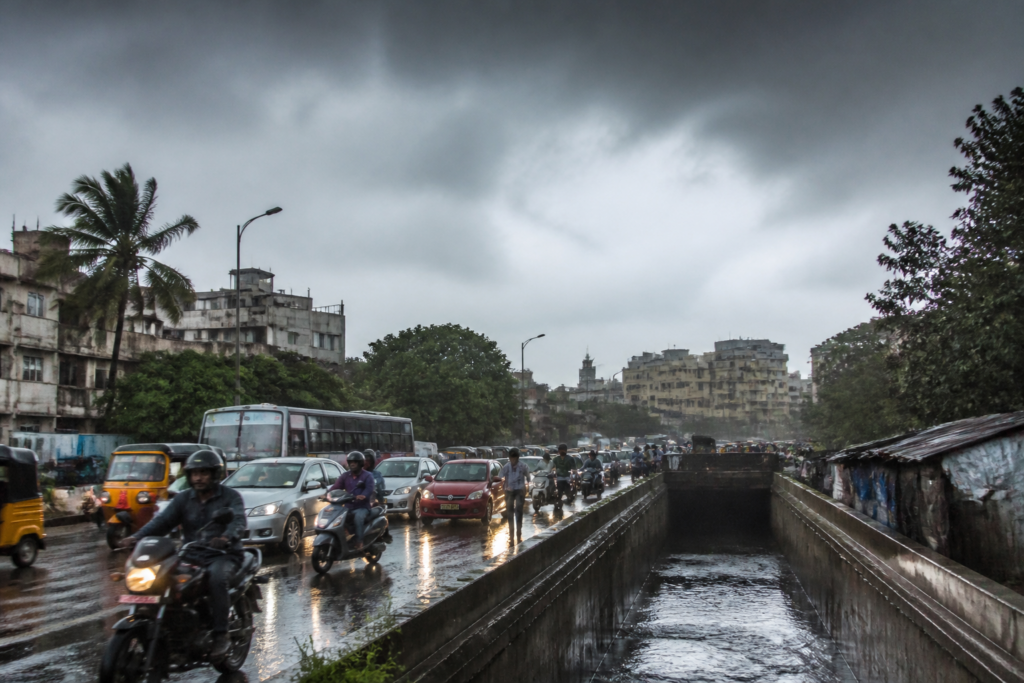
The northeast monsoon has arrived over south peninsular India, with the India Meteorological Department forecasting normal rainfall for Tamil Nadu overall but warning of significant regional differences across the state. The onset is expected to shape Chennai’s water supply, drainage and flood preparedness during the rainfall season that provides most of the city’s annual precipitation.
V R Durai, director of the Area Cyclone Warning Centre at the Regional Meteorological Centre in Chennai, said northern districts could receive below-normal rainfall, while southern districts may record normal to above-normal rainfall. Coastal districts, including Chennai’s wider regional zone, are expected to receive normal rainfall.
The northeast monsoon accounts for about 45 cm of Tamil Nadu’s average annual rainfall, representing nearly 48% of the state’s yearly precipitation. Chennai receives an average of 87 cm during the season, or about 60% of its annual rainfall, making the monsoon particularly important for the city’s reservoirs, groundwater recharge and water-management systems.
The forecast comes after a deficient southwest monsoon season in Tamil Nadu. According to the IMD, the state recorded a 21% rainfall deficit between June and September. The official said this made 2026 the state’s third most deficient year since 2006. The two larger deficits during that period were recorded in 2022, at 45%, and in 2012, at 23%.
The uneven outlook means the state may not experience the season uniformly. Northern districts could receive less rain than normal even as southern districts see normal or above-normal precipitation. Coastal districts are forecast to receive normal rainfall, but the prediction does not rule out short-duration heavy spells or localised flooding during individual weather systems.
For Chennai, the seasonal total is only one part of the urban risk. Rainfall intensity, the timing of spells and the ability of storm-water drains, roads and pumping systems to handle concentrated flows will determine how the city experiences the monsoon. The IMD’s announcement establishes the seasonal forecast, while local authorities will be responsible for operational responses in vulnerable neighbourhoods and along low-lying transport and drainage corridors.
Daytime temperatures may remain above normal under the influence of El Niño, Durai said. The forecast adds a heat-related dimension to the rainfall season, as higher daytime temperatures can continue to affect outdoor workers, commuters and households even after the monsoon has set in.
The onset also places greater importance on the management of Chennai’s water assets. With the northeast monsoon contributing the majority of the city’s annual rainfall, below-normal rainfall or uneven distribution could affect replenishment, while intense spells could test urban drainage and flood-control arrangements. The IMD’s next forecasts and district-level advisories will determine how the broad seasonal outlook translates into local weather conditions.


