

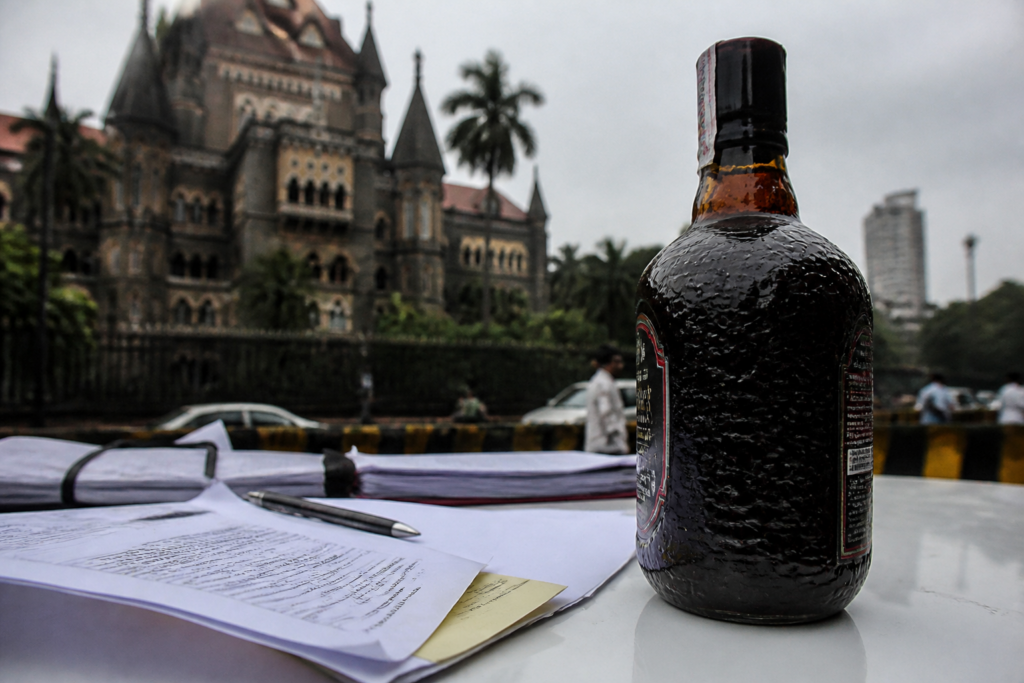
Old Monk Maharashtra sales restrictions have reached the Bombay High Court, with manufacturer Mohan Rocky Springwater Private Limited claiming losses of more than ₹500 crore and alleging that the restrictions could cost the Maharashtra government about ₹350 crore in excise revenue. The court has not granted immediate interim relief, and the matter is scheduled to be heard again on October 23.
The company has challenged restrictions on the manufacture and sale of Old Monk at its facility in Thane district. During the proceedings, its lawyers highlighted the financial impact of the action and said operations at the Maharashtra production unit had been halted.
According to the company’s submissions, liquor made using the same formulation continues to be sold from some of its other manufacturing units, while the Maharashtra facility remains affected by the restrictions. The company is seeking an opportunity to explain its manufacturing process and the ingredients used in the product.
The dispute centres on the product’s classification and the information displayed on its bottle labels. The Food Safety and Standards Authority of India has reportedly raised objections relating to the use of externally added rum flavouring and the way that information is disclosed to consumers.
Under the labelling requirements cited in the proceedings, a liquor product containing externally added rum flavouring must clearly disclose that information on its label. Authorities have raised concerns that describing such a product simply as rum could mislead consumers about its composition. The restrictions followed these objections, according to the report.
The Centre’s counsel indicated during the hearing that sales could potentially be allowed to resume if the company replaced the word “rum” on the label with “rum-like product”. The manufacturer had reportedly proposed label changes earlier, but the revised label had not received approval at the time of the hearing.
The company has approached the High Court to challenge the restrictions and present its case on the product’s ingredients, formulation and labelling. The immediate financial claims remain the manufacturer’s submissions in court, while the regulatory dispute remains unresolved.
The case also places the Thane facility and Maharashtra’s excise interests within a wider administrative question: how product classification and consumer-information rules are applied when a branded liquor product’s formulation and label description are disputed. The court’s refusal to grant immediate interim relief means the restrictions remain in effect for now.
The next hearing on October 23 is expected to address the company’s challenge, the proposed label wording and the regulatory position affecting manufacture and sales in Maharashtra.


