The decision to remove Jantar Mantar from Delhi’s designated protest venues has triggered legal challenges in the Supreme Court and Delhi High Court, with petitioners arguing that shifting demonstrations to distant locations could weaken citizens’ ability to assemble peacefully and express dissent.
The challenges relate to a Delhi Police order issued on 11 October 2026. On Wednesday, 14 October, the Indian Youth Congress moved an application in an already pending Delhi High Court petition, while advocate Swati Singh separately filed a petition in the Supreme Court against the removal of Jantar Mantar from the list of approved protest sites.
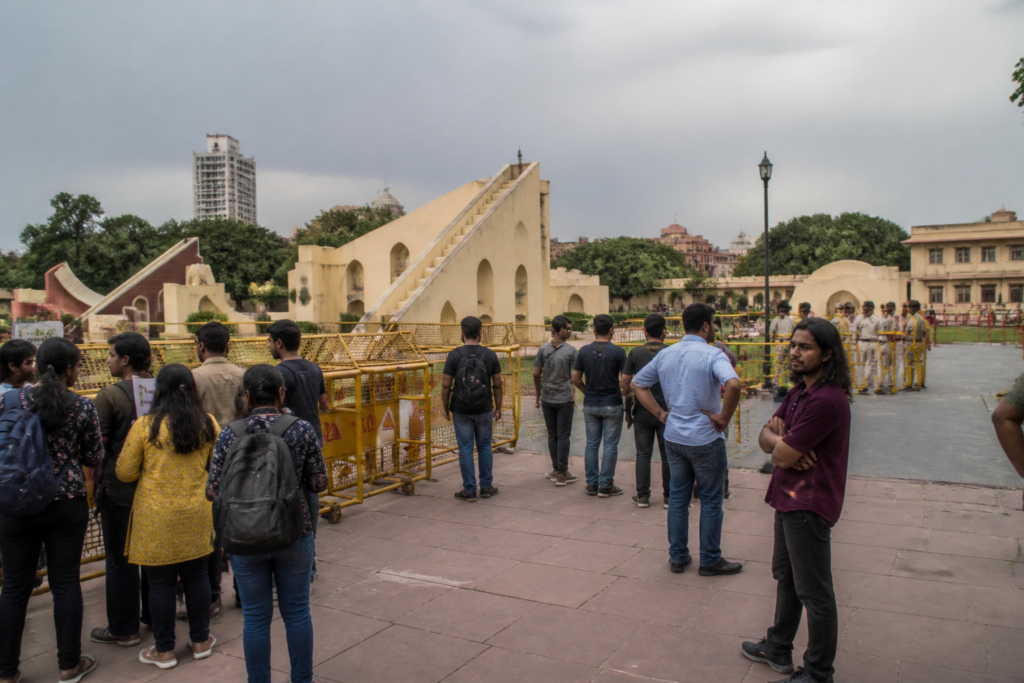
The dispute places a prominent public space in central Delhi at the centre of a wider question over how the capital balances the right to peaceful protest with concerns about security, traffic and public order. Jantar Mantar has traditionally served as a designated location for demonstrations, allowing protesters to gather in a central area while remaining within the city’s established security and administrative framework.
According to the report, the Delhi Police has notified three new alternative locations for demonstrations. The locations were not identified in the supplied material. The petitioners have questioned whether shifting protests to remote areas would make it more difficult for citizens, political groups and organisations to reach demonstrations or attract public attention to their demands.
Swati Singh’s petition argues that moving protests away from central public spaces could affect the fundamental rights to assemble peacefully and express views. The petition challenges the police decision to remove Jantar Mantar from the designated list rather than retaining it with conditions addressing security and public-order concerns.
The Indian Youth Congress application was filed by its president, Uday Bhanu Chib, in connection with an existing case involving the refusal of permission for a demonstration against Chief Election Commissioner Gyanesh Kumar. The application seeks reconsideration of that refusal and asks for a fresh assessment of whether security, traffic and law-and-order concerns can be managed through appropriate conditions.
The legal challenge therefore involves both the immediate status of Jantar Mantar and the administrative process used to permit or restrict demonstrations in Delhi. The petitioners’ position is that restrictions should be assessed against specific risks and that conditions may provide an alternative to a blanket relocation of protests.
The supplied report does not state whether either court has issued an interim order or scheduled a hearing on the latest challenges. The next stage will depend on how the Supreme Court and Delhi High Court take up the petitions against the 11 October Delhi Police order.