

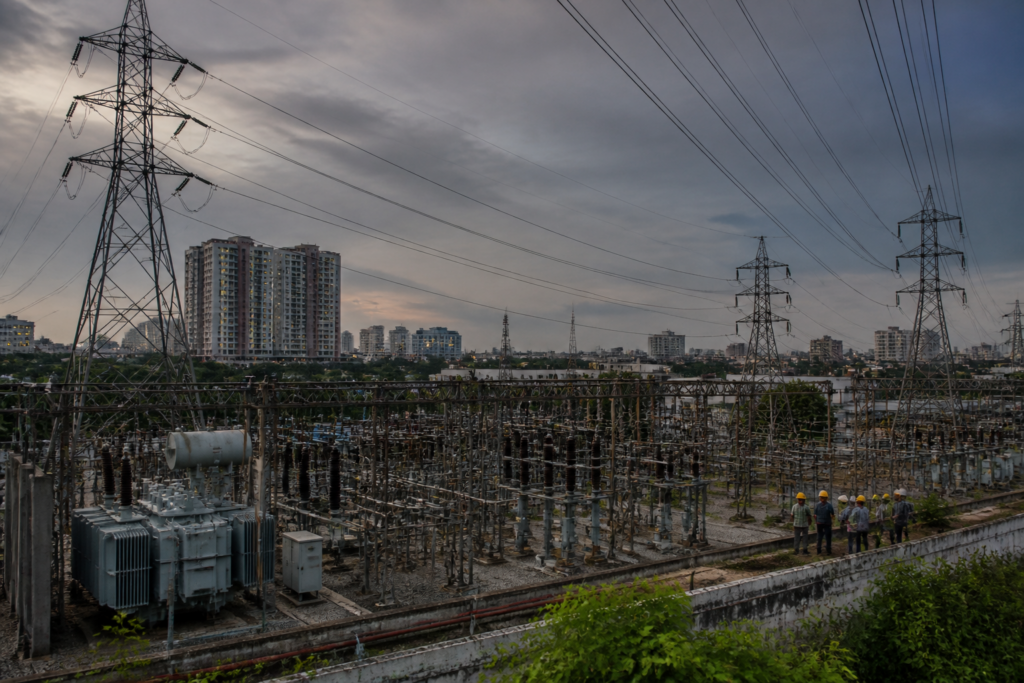
Tamil Nadu’s plan to procure short-term electricity from the open market at Rs 35 per unit has triggered strong opposition from the Communist Party of India (Marxist) and the Communist Party of India, which have demanded that the government withdraw the proposal and adopt a lower-cost procurement process.
The criticism comes as the state seeks to address an ongoing power shortage. CPM state secretary P Shanmugam alleged that the proposed rate would allow private energy companies to profit at the expense of the public exchequer. He described the price as excessive in a statement posted on X and said the government should have anticipated the seasonal shortfall instead of relying on what he termed panic buying.
Shanmugam also criticised the state government and electricity officials over the handling of the supply situation. He said the state had faced severe deficits while officials and the state electricity board spent weeks denying reports of load shedding, despite complaints from consumers and political parties. The CPM leader called for a long-term plan to make Tamil Nadu self-sufficient in power generation.
CPI state secretary M Veerapandian separately questioned the financial implications of procuring 4,500 MW from the spot market at Rs 35 per unit. He warned that the purchase could add to the power utility’s existing debt burden and argued that electricity should instead be sourced at competitive rates to protect public funds.
The allegations and demands reported by the two Left parties have not been accompanied in the supplied report by a response from the Tamil Nadu government or the state electricity utility. The report also does not specify the proposed duration of the short-term procurement, the total financial liability involved, or the precise mechanism through which the electricity would be purchased.
The dispute highlights the immediate operational and financial pressures facing a state power system when demand exceeds available supply. Short-term market purchases can help utilities bridge a temporary deficit, but the rate cited by the Left parties has placed the focus on how emergency procurement affects utility finances and the eventual cost borne by consumers.
The CPI also opposed the rollout of smart meters and what Veerapandian described as a proposed move to unbundle and privatise transmission infrastructure. He argued that such measures could lead to higher tariffs for end consumers and eventually facilitate privatisation of the state power utility.
The party called for Tamil Nadu to expand thermal and renewable generation through public sector undertakings to secure affordable electricity. The immediate political demand from both CPM and CPI is for the government to roll back the reported procurement proposal and pursue power purchases through what they described as transparent and lower-cost processes.


